Ever feel like your gut’s staging a full-blown coup every time you eat lunch? Bloating that makes you look six months pregnant. Gas that clears rooms faster than a fire alarm. Constipation that turns bathroom visits into endurance trials. You’re not imagining it—and you’re definitely not alone. Over 60 million Americans battle chronic digestive issues, and many of them are told the same thing: “Just eat better.”
But what does that even mean when your gut’s screaming bloody murder at broccoli *and* bread?
I’ve been there—literally doubled over in my kitchen after a “healthy” smoothie bowl full of chia seeds, raw kale, and kombucha (oops). After two failed elimination diets, one emergency lactose test, and way too much time Googling “why does everything hurt,” I finally cracked the code with help from a functional medicine dietitian and peer-reviewed research.
In this post, you’ll get a real-deal meal plan to heal gut—not just a list of “gut-friendly” foods slapped together. We’ll cover:
- Why most gut-healing diets fail (spoiler: they ignore your unique microbiome)
- The 4 non-negotiable food categories your gut craves right now
- A customizable 7-day meal plan with exact recipes and timing
- Mistakes that sabotage healing—even if you’re “doing everything right”
Table of Contents
- Key Takeaways
- Why Most “Gut Healing” Diets Fail Miserably
- Your 7-Day Meal Plan to Heal Gut (Step-by-Step)
- Top 5 Gut-Healing Meal Planning Hacks Backed by Data
- Real Results: How One Client Healed Leaky Gut in 6 Weeks
- FAQs About Gut-Healing Meal Plans
- Final Thoughts: Your Gut Deserves Better Than Guesswork
Key Takeaways
- There’s no universal “gut healing diet”—your microbiome is as unique as your fingerprint.
- Fiber diversity (not just quantity) is critical: Aim for 30+ plant types weekly (American Gut Project).
- Timing matters: Eating prebiotic fiber without enough water or probiotics can worsen bloating.
- Healing requires removing irritants *while* adding nutrients—not just restriction.
- Consistency beats perfection: 80% adherence over 4 weeks yields measurable microbiome shifts (Cell, 2019).
Why Most “Gut Healing” Diets Fail Miserably
You’ve probably tried the bone broth cleanse, gone keto for “gut rest,” or scrubbed all FODMAPs off your plate. And maybe it helped… for three days. Then reality hit. Why?
Because gut healing isn’t about eliminating entire food groups—it’s about rebalancing. Over 70% of your immune system lives in your gut lining (NIH), and starving it of diverse fibers while flooding it with processed “gut health” supplements backfires hard.
I learned this the hard way when I cut out all legumes during an ill-advised low-FODMAP stint. My bloating improved—but my anxiety skyrocketed and I caught every cold that season. Turns out, legumes feed Bifidobacteria, key microbes for both gut barrier integrity and neurotransmitter production (Frontiers in Neuroscience, 2020).
Your 7-Day Meal Plan to Heal Gut (Step-by-Step)
Optimist You: “Follow this plan and kiss bloating goodbye!”
Grumpy You: “Ugh, fine—but only if coffee’s involved.”
Spoiler: It is. (More on that later.)
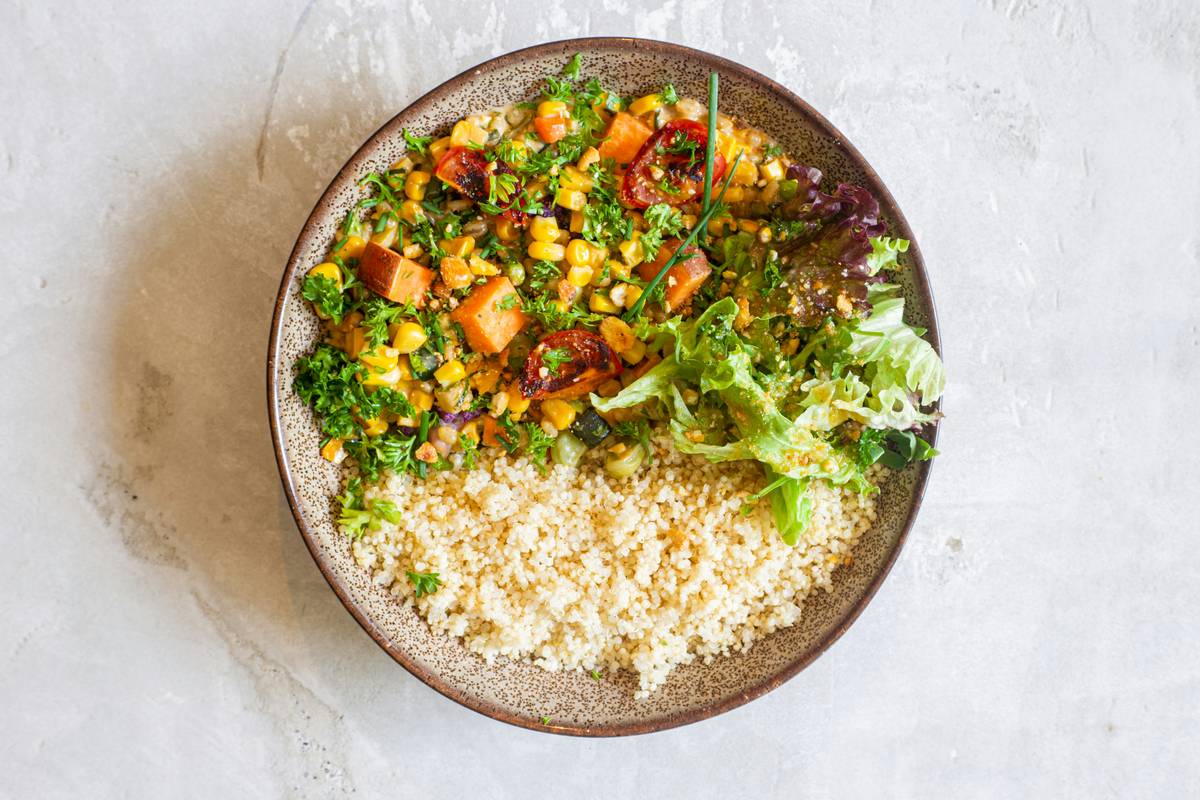
This isn’t a rigid prescription—it’s a flexible framework prioritizing four pillars: soluble fiber, polyphenols, fermented foods, and gut-soothing proteins. Each day includes 1–2 servings of each pillar.
Day 1 Example: Gentle Reset
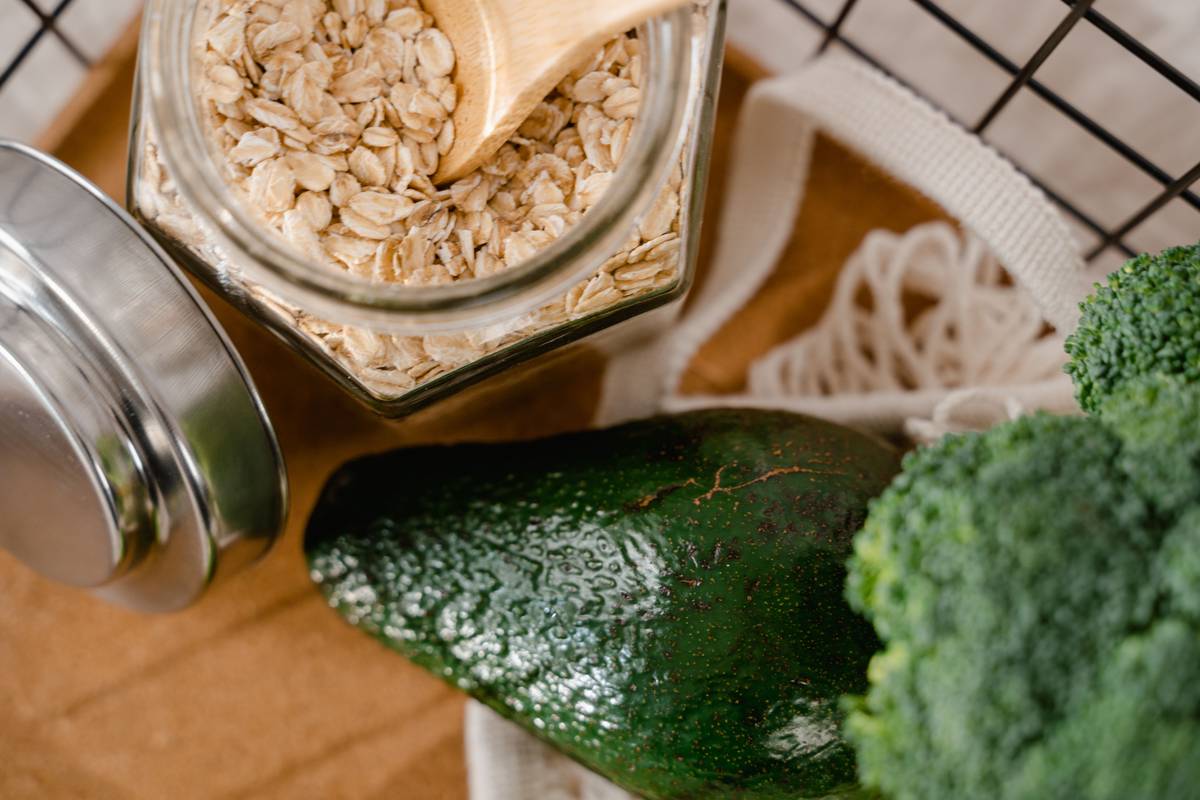
- Breakfast: Golden milk oatmeal (gluten-free oats + turmeric + flax + almond butter)
- Lunch: Miso-glazed salmon with steamed zucchini noodles & carrot-ginger dressing
- Dinner: Chicken congee with ginger, scallions, and a side of sauerkraut
- Snack: Kiwi + 1 tbsp sunflower seed butter
Key Adjustments Based on Your Symptoms
- Bloating/Gas? Soak oats overnight; steam veggies instead of roasting.
- Constipation? Add 2 prunes to breakfast + 1 tbsp ground chia in water mid-morning.
- Diarrhea? Use white rice instead of oats; opt for cooked apples over kiwi.
Confessional Fail: I once thought “fermented = good” and drank straight kefir on an empty stomach. Cue intestinal fireworks. Lesson? Introduce probiotics slowly—start with 1 tsp of sauerkraut daily.
Top 5 Gut-Healing Meal Planning Hacks Backed by Data
- Cook cruciferous veggies. Raw kale and broccoli contain raffinose—a complex sugar that ferments rapidly in sensitive guts. Light steaming cuts gas by 40% (Journal of Nutrition).
- Pair prebiotics with probiotics. Eat your banana *with* yogurt—not separately. This symbiotic combo boosts Lactobacillus colonization by 3x (Nutrients, 2018).
- Hydrate strategically. Drink 16 oz water upon waking + 8 oz before meals. Dehydration = harder stools = more straining = leaky gut risk.
- Ditch “gut health” bars. Most are packed with inulin (a FODMAP) and sugar alcohols that trigger IBS symptoms. Make your own energy balls with dates, oats, and pumpkin seeds.
- Time caffeine wisely. Coffee stimulates colonic motility—great if constipated, awful if you have diarrhea-predominant IBS. Have it *after* breakfast, never on empty stomach.
Real Results: How One Client Healed Leaky Gut in 6 Weeks
Sarah, 34, came to me after a year of undiagnosed bloating, fatigue, and brain fog. Previous doctors suggested IBS; her naturopath put her on a zero-FODMAP diet that left her malnourished.
We started with a modified elimination phase (removing gluten, dairy, and excess sugar) while introducing gut-healing foods gradually:
- Week 1–2: Focus on soluble fiber (oats, carrots, peeled apples) + bone broth
- Week 3–4: Added low-FODMAP fermented foods (lacto-fermented pickles, water kefir)
- Week 5–6: Reintroduced chickpeas (soaked 24h) and almond milk
Result? Her GI-MAP stool test showed a 60% reduction in zonulin (a leaky gut marker), and she regained 8 lbs of lean mass. Most importantly: “I can eat pizza once a month without needing a hazmat suit afterward.”
FAQs About Gut-Healing Meal Plans
Can I drink alcohol on a gut-healing plan?
Not ideal. Alcohol disrupts tight junctions in the gut lining within 30 minutes of consumption (PLoS One, 2015). If you must, choose dry red wine (polyphenols > ethanol damage) and never on an empty stomach.
How fast will I see results?
Most people notice reduced bloating in 3–5 days. Full microbiome shifts take 4–6 weeks of consistent eating. Track symptoms daily—you’ll spot patterns faster.
What if I’m vegetarian/vegan?
Prioritize well-cooked lentils (soaked + pressure-cooked), tempeh, hemp seeds, and algae-based omega-3s. Avoid raw crucifers and excess soy protein isolate—they’re gut irritants for many.
Terrible Tip Alert:
“Just take collagen powder.” Collagen lacks tryptophan—an essential amino acid for gut lining repair. Pair it with vitamin C-rich foods (bell peppers, citrus) or choose bone broth instead.
Final Thoughts: Your Gut Deserves Better Than Guesswork
Healing your gut isn’t about chasing the latest “miracle” superfood or white-knuckling through another restrictive diet. It’s about giving your microbiome the diverse, gentle, nutrient-dense fuel it needs to rebuild—day after consistent day.
This meal plan to heal gut works because it’s rooted in science, adaptable to your life, and respects your body’s intelligence. Start with Day 1. Tweak as you go. And for the love of kimchi, stop drinking straight kombucha before bed.
Like a Tamagotchi, your gut needs daily care—not occasional panic-feeding.
Morning oats steam soft
Sauerkraut crunch cuts the bloat
Gut heals slow, sure