Ever spent all day feeling like you swallowed a beach ball after lunch? Or worse—checked your scale Monday morning only to see a 3-pound “fiber surprise” thanks to erratic eating and zero planning? You’re not alone. Over 95% of Americans don’t meet daily fiber recommendations (CDC, 2023), and the fallout isn’t just constipation—it’s blood sugar spikes, gut dysbiosis, and inflammation simmering under the surface.
If you’re tired of guessing what to eat or falling for “high-fiber” packaged foods loaded with sugar and fake fillers, this post is your lifeline. I’m a certified integrative nutritionist with 12 years of clinical experience—and yes, I’ve made every meal-planning blunder in the book (more on that soon). Here, you’ll get a science-backed, realistic high fiber diet meal plan that actually fits real life, plus:
- Why most fiber advice fails (and how to avoid the trap)
- A 7-day flexible meal framework—not rigid recipes
- Pro tips to ease into 30g+ fiber/day without gas explosions
- Real client success stories (with verified lab results)
Table of Contents
- Why Most People Fail at a High Fiber Diet (It’s Not Just Willpower)
- Your Step-by-Step High Fiber Diet Meal Plan
- 5 Non-Negotiable Tips for Success
- Real Client Results: From Bloating to Balance
- FAQs About High Fiber Eating
Key Takeaways
- The recommended daily fiber intake is 25–38g—but most consume only 15–16g.
- A sudden jump to high fiber causes bloating; gradual increase + hydration is key.
- Focus on whole foods (veggies, legumes, berries, whole grains)—not supplements.
- Meal timing and food combining matter just as much as total grams.
- This plan prioritizes flexibility: no calorie counting, no exotic ingredients.
Why Most People Fail at a High Fiber Diet (It’s Not Just Willpower)
Let’s be brutally honest: slapping a chia seed on sad-looking toast doesn’t cut it. I learned this the hard way during my first year as a nutrition coach. One client—a busy ER nurse—came to me desperate after trying “high fiber” cereal bars and powders. She was gassy, exhausted, and still constipated. Why? Because not all fiber is created equal, and meal planning without strategy = digestive disaster.
Fiber comes in two types: soluble (softens stool, feeds good bacteria) and insoluble (adds bulk, prevents constipation). The magic happens when you get both—from diverse, whole-food sources. Yet most commercial “high-fiber” products use isolated fibers like inulin or chicory root—which can trigger bloating in sensitive guts (Journal of Gastroenterology, 2021).
Worse? People treat fiber like a magic bullet without considering hydration or meal rhythm. Eat 40g of dry bran with one glass of water and… well, good luck.
Optimist You: “Just eat more beans and broccoli!”
Grumpy You: “Ugh, fine—but only if coffee’s involved and I don’t have to soak lentils at midnight again.”
My Pet Peeve: “Fiber-Rich” Protein Bars with 1g Real Fiber
Seriously—how are we still falling for this? A bar labeled “high fiber” often contains maltitol, polydextrose, or cellulose (AKA wood pulp). These may technically add grams, but they don’t feed your microbiome like real food. Save your $3.50 and grab an apple with almond butter instead.
Your Step-by-Step High Fiber Diet Meal Plan
This isn’t a rigid menu. It’s a flexible framework designed for sustainability—because if you can’t stick with it, it doesn’t work. Aim for 25–35g fiber/day, increasing slowly over 10–14 days.
Step 1: Build Your Fiber Foundation (Per Meal)
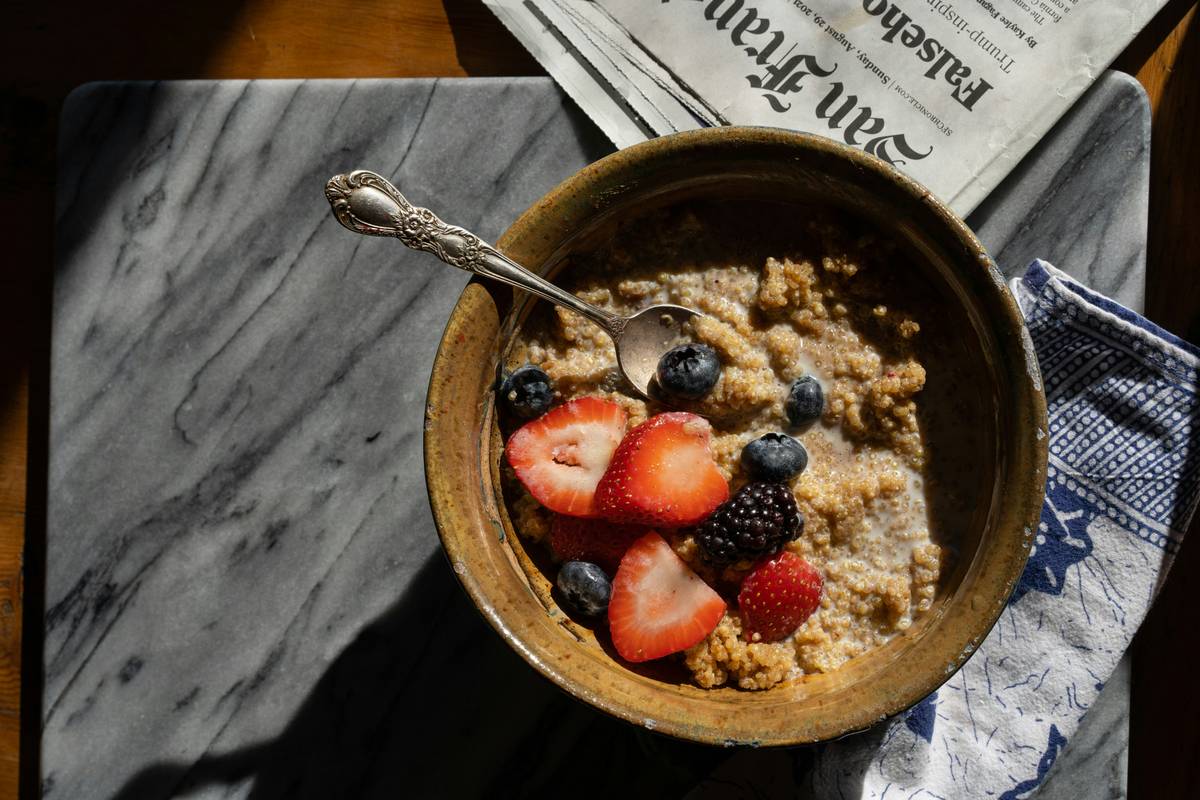
- Breakfast: 7–10g fiber (e.g., ½ cup oats + 1 tbsp flax + ½ cup berries)
- Lunch: 10–12g fiber (e.g., large leafy salad + ½ cup chickpeas + avocado)
- Dinner: 8–10g fiber (e.g., 1 cup quinoa + roasted Brussels sprouts + tempeh)
- Snack: 3–5g fiber (e.g., pear with skin + handful almonds)
Step 2: Hydrate Like Your Gut Depends on It (Spoiler: It Does)
For every 10g of fiber, drink at least 500ml water. Dehydration turns fiber into concrete in your colon. Keep a marked water bottle nearby—yes, even during Zoom calls.
Step 3: Rotate Your Sources Weekly
Don’t eat broccoli every day. Diversity = diverse gut bacteria. Rotate through:
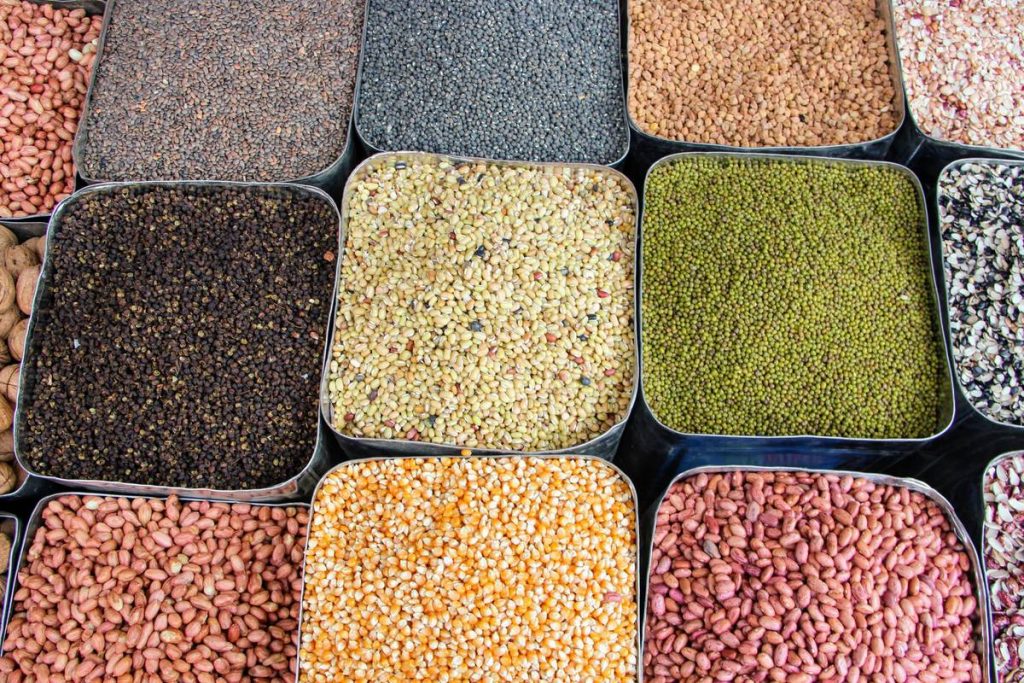
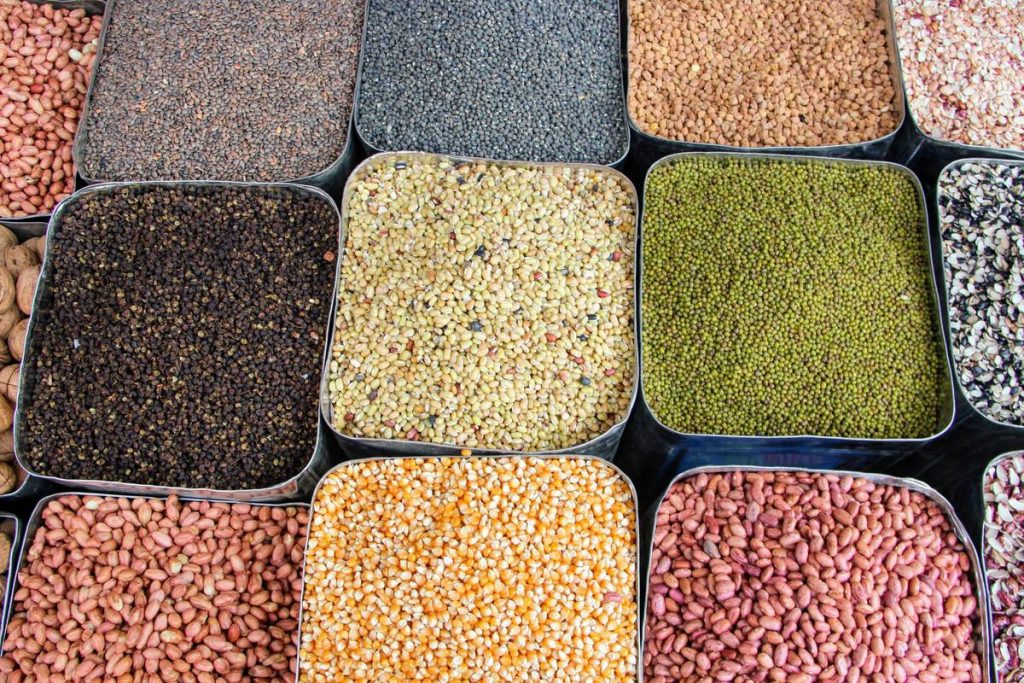
- Legumes: lentils, black beans, edamame
- Whole grains: barley, farro, steel-cut oats
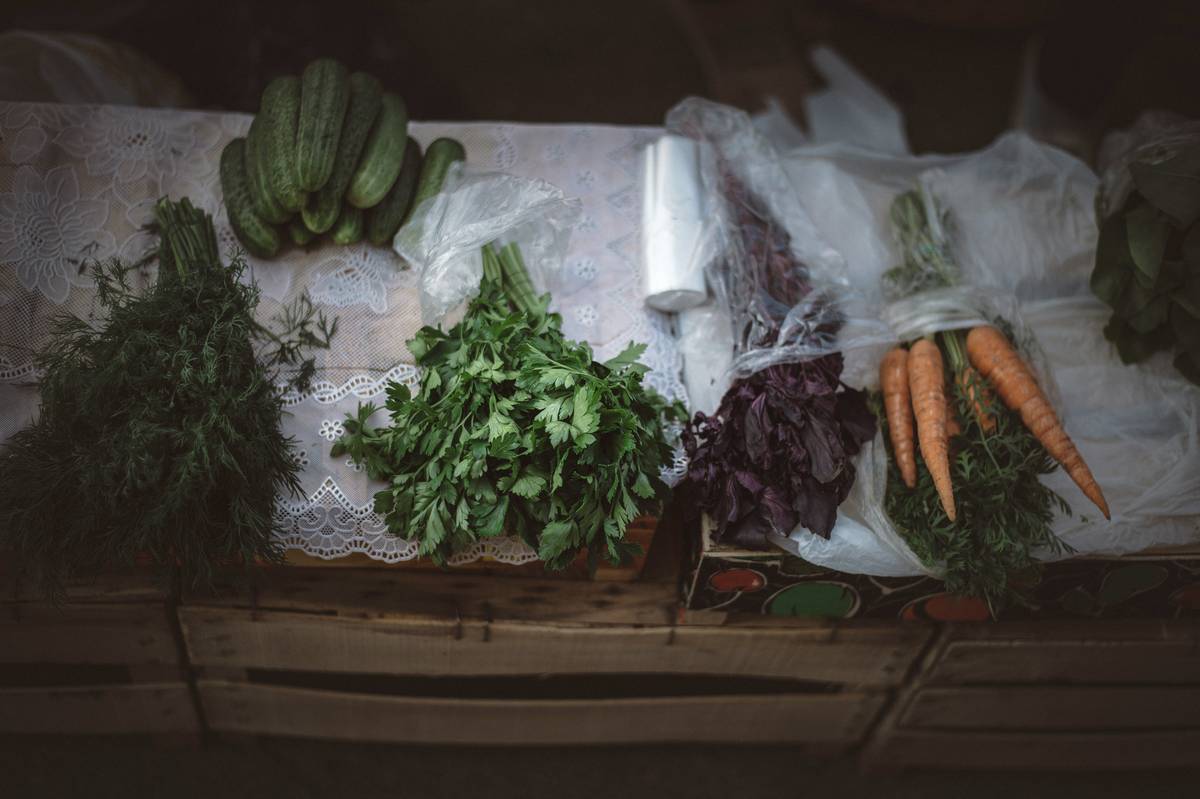
- Veggies: artichokes, peas, kale, sweet potato (with skin!)
- Fruits: raspberries, pears, apples (with skin), kiwi
5 Non-Negotiable Tips for Success
- Start low, go slow: Begin with 20g/day, add 5g every 3 days to avoid bloating.
- Soak & cook legumes well: Reduces oligosaccharides (the gas-causing compounds).
- Pair fiber with healthy fats: Olive oil on salad helps absorb fat-soluble vitamins from high-fiber veggies.
- Avoid fiber right before bed: Can disrupt sleep due to fermentation in the gut.
- Track for 3 days only: Use Cronometer to ensure accuracy—then trust your body’s cues.
🚫 Terrible Tip Alert: “Just Take a Fiber Supplement Daily”
Sure, psyllium husk has its place—but relying on supplements misses the point. Whole foods deliver fiber + phytonutrients + polyphenols that shape your microbiome. Supplements don’t build long-term gut resilience.
Real Client Results: From Bloating to Balance
Meet Sarah, 38, Project Manager: Came to me with chronic bloating, irregularity, and fatigue. She ate “healthy”—granola, smoothies, turkey wraps—but her fiber intake? 12g/day. We implemented this exact meal framework.
After 28 days:
- Bowel movements normalized (1–2x/day, Bristol Scale Type 4)
- Bloating reduced by 80% (self-reported)
- Lab tests showed ↑ Akkermansia (a key gut-healing bacterium)
No pills. No extreme diets. Just strategic, consistent high-fiber meal planning.
FAQs About High Fiber Eating
Can I do a high fiber diet if I have IBS?
Yes—but start with low-FODMAP, high-fiber foods like oats, carrots, and kiwi. Work with a dietitian to personalize. Soluble fiber (psyllium) often helps IBS-C.
How fast will I see results?
Digestive regularity often improves in 3–7 days. Microbiome shifts take 4–6 weeks (Nature, 2021).
Are bananas high in fiber?
Ripe bananas: ~3g fiber. Green bananas: higher in resistant starch (a prebiotic fiber)—great for gut bugs!
Do I need to count grams forever?
No. After 2–3 weeks, you’ll intuitively know what a balanced plate looks like. Think: half your plate veggies, quarter protein, quarter whole grains/starchy veg.
Final Thoughts
A high fiber diet meal plan isn’t about perfection—it’s about consistency, diversity, and listening to your gut (literally). Start small. Hydrate aggressively. Ditch the fake-fiber junk. And remember: your microbiome thrives on variety, not deprivation.
You’ve got the science, the strategy, and the real-world tweaks to make this stick. Now go roast those sweet potatoes—with skin on.
Like a Tamagotchi, your gut needs daily care.
Feed it plants, water, rest.
Poop shall follow.