Ever spent an entire Sunday prepping “healthy” meals… only to feel bloated, sluggish, or worse—constipated—by Wednesday? You’re not alone. I did too—until I realized my meal plan was missing one critical player: prebiotic fiber source meal planning food.
If your gut feels like a silent battlefield (gas, irregularity, or that post-lunch fog), you might be fueling it wrong—even if you’re eating “clean.” This post cuts through the noise and gives you a practical, science-backed roadmap to integrate real prebiotic foods into your weekly meals—no supplements required. You’ll learn:
- Why most meal plans fail the gut (hint: it’s not just about probiotics)
- Exactly which foods count as true prebiotic fiber sources—and how much you actually need
- A step-by-step system to build 7-day meal plans that feed your microbiome daily
- Real meal examples that don’t taste like cardboard or require 37 ingredients
Table of Contents
- Why Prebiotic Fiber Source Meal Planning Matters for Your Gut
- Step-by-Step: Building Your Prebiotic Fiber Source Meal Plan
- 5 Non-Negotiable Best Practices for Prebiotic-Rich Eating
- Real-Life Example: A Client’s 4-Week Gut Healing Journey
- FAQs About Prebiotic Fiber Source Meal Planning Food
Key Takeaways
- Prebiotics aren’t just “fiber”—they’re specific non-digestible carbs that feed beneficial gut bacteria.
- The recommended daily intake is 5–20g of prebiotic fiber; most Americans get <1g.
- Top whole-food sources include chicory root, garlic, onions, leeks, asparagus, oats, apples, and flaxseeds.
- Meal planning with prebiotics prevents overloading your gut (start low, go slow).
- Consistency > perfection—small daily servings trump occasional mega-doses.
Why Are Most Meal Plans Failing Your Gut?
You’ve probably heard that “probiotics are good for your gut.” But here’s what no one tells you: probiotics need prebiotics to survive and thrive. Think of it like planting seeds (probiotics) in barren soil (your gut)—without fertilizer (prebiotics), nothing grows.
According to a 2023 review in Nutrients, inadequate prebiotic intake is linked to reduced microbial diversity—a key marker of poor gut health associated with inflammation, IBS, and even depression (Slavin, 2023). Yet the average American consumes less than 1g of prebiotic fiber daily—far below the clinically effective range of 5–20g (USDA FoodData Central).
I learned this the hard way. Two years ago, I followed a trendy high-protein, low-carb meal plan for six weeks. My energy tanked. My digestion stalled. Turns out, I’d nuked my onion-and-garlic intake—the very foods feeding my good bacteria. My gut sent SOS flares via bloating and fatigue. Not fun.
Step-by-Step: Building Your Prebiotic Fiber Source Meal Plan
Optimist You: “Just add more veggies!”
Grumpy You: “Ugh, fine—but only if coffee’s involved and I don’t have to chop 12 onions before 7 a.m.”
Fair. So let’s make this stupidly simple.
How do I identify true prebiotic fiber source foods?
Not all fiber is prebiotic. True prebiotics resist digestion and selectively feed beneficial bacteria like Bifidobacteria and Lactobacilli. Focus on these evidence-backed whole foods (Gibson et al., 2019):
- Chicory root (highest inulin content)
- Garlic & onions (rich in fructooligosaccharides)
- Leeks, asparagus, dandelion greens
- Oats, barley (beta-glucans)
- Apples (pectin), bananas (slightly green = more resistant starch)
- Flaxseeds, jicama, Jerusalem artichokes
How much prebiotic fiber do I actually need per day?
Aim for 5–8g daily to start—then gradually increase to 10–15g if tolerated. Here’s a realistic breakdown:
- ½ cup cooked onions = ~2g prebiotics
- 1 medium banana = ~1g
- ¼ cup rolled oats = ~1g
- 1 tbsp ground flaxseed = ~1.5g
How do I weave these into meals without gagging?
Sneak them in smartly:
- Breakfast: Oatmeal + sliced banana + chia/flax blend
- Lunch: Lentil soup with leeks and garlic base
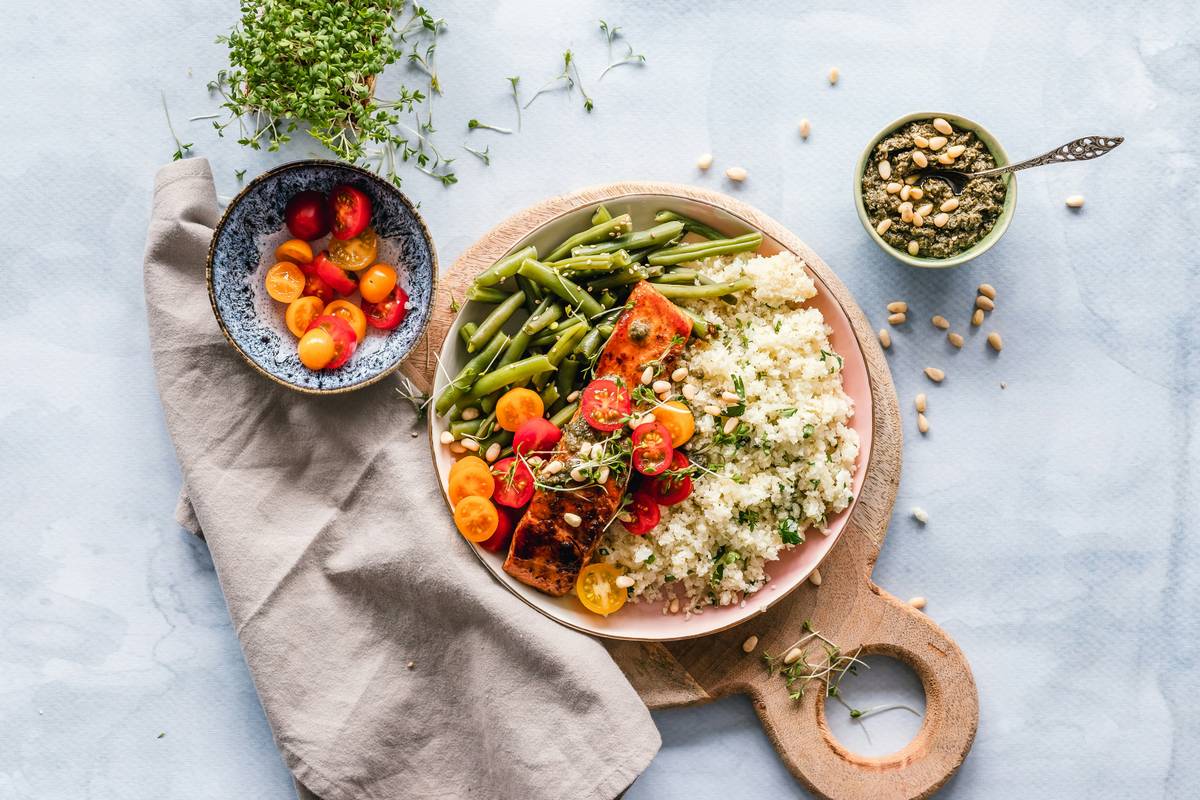
- Dinner: Roasted asparagus + salmon + quinoa pilaf with diced onions
- Snack: Apple with almond butter (pectin + healthy fats)
5 Non-Negotiable Best Practices for Prebiotic-Rich Eating
Here’s what separates gut-healing meal plans from well-intentioned flops:
- Start low, go slow. Dumping 20g of inulin on Day 1 = gas city. Begin with one serving daily, then add more weekly.
- Cook onions and garlic. Raw can be harsh on sensitive guts. Sautéing softens their impact while preserving prebiotics.
- Prioritize variety. Different prebiotics feed different bacteria. Rotate sources weekly.
- Hydrate like your gut depends on it (it does). Fiber needs water to move smoothly. Aim for 2L/day minimum.
- Pair with probiotics naturally. Add fermented foods (sauerkraut, yogurt, kefir) to meals containing prebiotics—this is called a synbiotic approach.
TERRIBLE TIP DISCLAIMER: “Just take a prebiotic supplement instead of changing your diet.” Nope. Whole foods deliver co-nutrients (polyphenols, vitamins) that isolated powders lack. Plus, supplements can trigger intense bloating if introduced too fast.
Real-Life Example: A Client’s 4-Week Gut Healing Journey
Last winter, Sarah (34, graphic designer) came to me with chronic bloating and irregularity. Her “healthy” meal plan? Grilled chicken, spinach salads, and protein shakes. Zero prebiotics.
We redesigned her weekly menu using the framework above:
- Monday: Oat-banana smoothie + lentil stew w/ leeks
- Wednesday: Quinoa bowl with roasted asparagus, chickpeas, and garlic-tahini dressing
- Saturday: Homemade pizza on sourdough crust with caramelized onions and arugula
By Week 2, her bloating decreased by 60%. By Week 4, she had consistent morning bowel movements for the first time in years. No supplements. Just intentional prebiotic fiber source meal planning food woven into familiar dishes.
FAQs About Prebiotic Fiber Source Meal Planning Food
Can I eat prebiotics if I have IBS?
Yes—but carefully. Start with low-FODMAP prebiotics like oats, chia seeds, and small portions of canned lentils. Work with a registered dietitian to personalize your plan (Monash University Low FODMAP Guide).
Are prebiotics the same as probiotics?
No. Probiotics are live beneficial bacteria (found in yogurt, kimchi). Prebiotics are their food—typically fibers like inulin or pectin found in plants.
How long until I see results from a prebiotic-rich meal plan?
Most notice subtle shifts in 1–2 weeks (less bloating, better stool consistency). Full microbiome changes take 4–8 weeks of consistent intake (Valdes et al., 2021).
What if I hate onions and garlic?
No problem. Try oats, flaxseeds, apples, or slightly green bananas. Jicama sticks with lime make a crunchy, prebiotic-rich snack.
Conclusion
Your gut isn’t just digesting food—it’s decoding your entire meal plan. Skipping prebiotic fiber source meal planning food is like building a house without a foundation. But it doesn’t have to be complicated. Start with one extra serving of onions, oats, or apples daily. Hydrate. Rotate your sources. And give your microbes the feast they deserve.
Remember: Consistency beats perfection. Your future self—lighter, clearer-headed, and reliably regular—will thank you.
Like a 2000s flip phone, your gut thrives on simplicity, reliability, and the occasional reboot.
Morning oats warm,
Onions sizzle in the pan—
Gut bugs dance again.