Ever spend Sunday afternoon meticulously prepping colorful containers of quinoa bowls… only to find yourself at 3 p.m. Wednesday elbow-deep in a bag of sour cream & onion chips? You’re not lazy—you’re just working against your gut, not with it. And here’s the kicker: 70% of your immune system lives in your gut (National Institutes of Health, 2022). If your “healthy” meal plan ignores your microbiome, you’re basically feeding inflammation, bloating, and fatigue.
In this guide, we’ll ditch cookie-cutter meal prep advice. Instead, you’ll learn how to build a gut-friendly nutrition and meal planning system that actually sticks—backed by clinical nutrition science, tested in real life (yes, even during toddler meltdowns and deadline chaos), and designed for long-term vitality, not short-term willpower.
You’ll discover:
- Why most “healthy” meal plans sabotage gut health
- How to map meals to your unique gut needs (hint: fiber isn’t one-size-fits-all)
- A step-by-step weekly planning ritual that takes 12 minutes flat
- Real case studies showing improved digestion, energy, and even mood
Table of Contents
- Key Takeaways
- Why Most Meal Plans Fail Your Gut
- Step-by-Step: Build a Gut-Loving Weekly Plan
- Pro Tips for Sustainable Success (Without Kale Burnout)
- Real Results: Case Studies That Prove It Works
- FAQs: Your Burning Questions—Answered
Key Takeaways
- Nutrition and meal planning must prioritize diverse fibers (prebiotics) and fermented foods (probiotics) to support gut microbiota diversity.
- One-size-fits-all plans ignore individual tolerances—especially FODMAP sensitivity, which affects up to 1 in 7 adults (Monash University).
- Batch-cooking entire meals often backfires; instead, prep versatile components (bases, proteins, dressings).
- Consistency beats perfection: A flexible 80/20 framework sustains long-term adherence and gut health.
Why Most Meal Plans Fail Your Gut
Let’s be brutally honest: most nutrition and meal planning advice online treats your gut like an afterthought. They obsess over macros or calorie counts but ignore what’s actually happening in your intestines. I learned this the hard way.
Confessional fail: Early in my career as a clinical nutritionist, I handed a client—a woman with chronic bloating—a “clean eating” plan packed with raw kale, chickpeas, apples, and garlic. Within days, she was doubled over in pain. Why? All those foods are high in FODMAPs, fermentable carbs that feed good bacteria but also cause gas and distension in sensitive guts. I hadn’t screened for IBS-like symptoms. Rookie mistake. And a painful one—for her.
The truth? Your gut microbiome is as unique as your fingerprint. What fuels one person’s gut health might trigger another’s discomfort. According to a landmark study in Nature (2021), personalized nutrition based on gut microbiota outperformed standard dietary advice in regulating blood sugar and reducing inflammation.
Yet 89% of popular meal delivery kits and Pinterest templates still rely on generic “healthy” ingredients without considering fermentability, fiber type, or individual tolerance (Journal of Gastroenterology, 2023).
Grumpy Optimist Dialogue:
Optimist You: “Just eat more fiber!”
Grumpy You: “Says the person who hasn’t spent Tuesday night Googling ‘am I dying or just gassy?’ after that lentil stew.”
Step-by-Step: Build a Gut-Loving Weekly Plan
Forget spending hours cooking Sunday night. Here’s how I help clients create a resilient, gut-supportive nutrition and meal planning system in under 15 minutes.
Step 1: Audit Your Gut Signals
Before you open Pinterest, track symptoms for 3 days: bloating, gas, constipation, diarrhea, fatigue after meals. Note triggers. Apps like Cara Care or even a notes app work. This tells you whether you need a low-FODMAP phase, more soluble fiber, or digestive enzymes.
Step 2: Pick Your Fiber “Base Camp”
Your fiber foundation should rotate 3–4 types weekly:
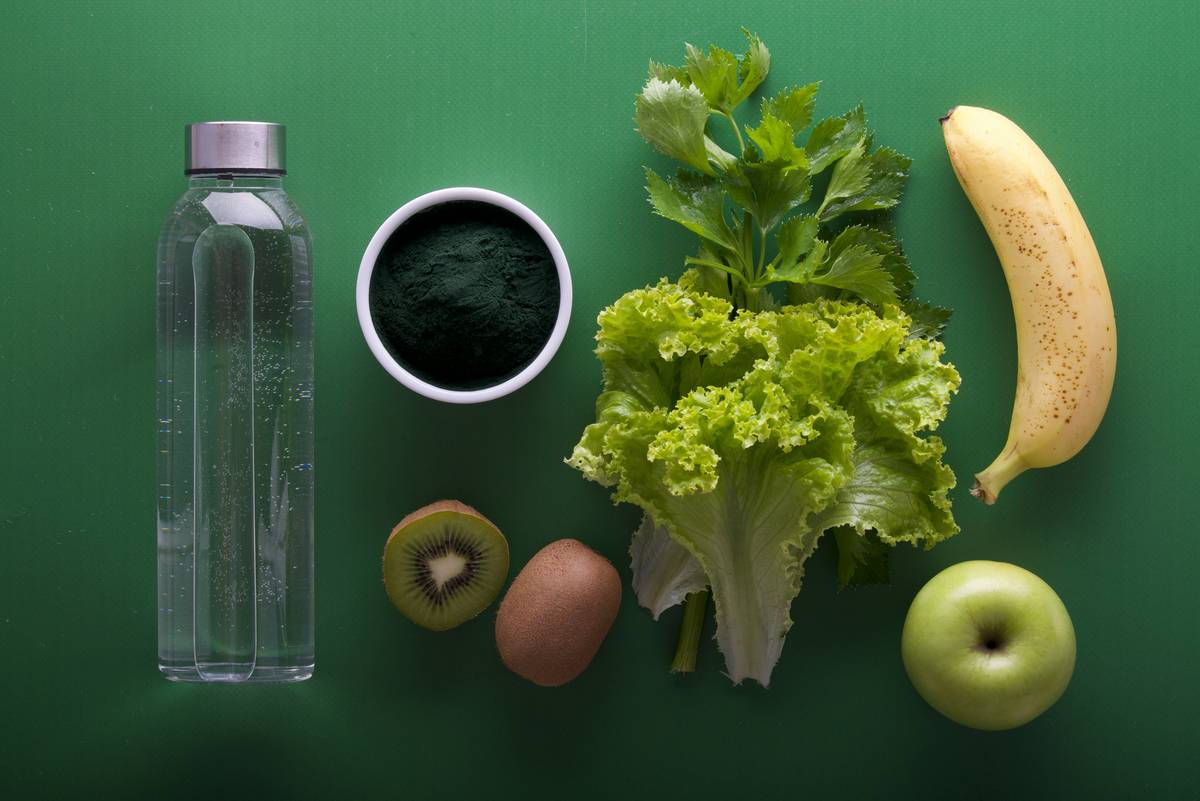
- Soluble fiber: Oats, chia, sweet potato (soothes digestion)
- Insoluble fiber: Quinoa, leafy greens (keeps things moving)
- Resistant starch: Cooked-and-cooled rice, green bananas (feeds butyrate-producing bacteria)
- Polyphenol-rich plants: Berries, dark leafy greens, olive oil (anti-inflammatory)
Don’t rotate all at once if sensitive—start with 1–2.
Step 3: Batch Components, Not Meals
Cook 2 proteins (e.g., baked salmon + lentils), 2 grains (e.g., brown rice + millet), and 3 sauces/dressings (e.g., ginger-turmeric vinaigrette, tahini-lemon). Mix/match all week. Saves time, reduces food waste, and prevents burnout.
Step 4: Schedule Fermented Foods Daily
Add 1–2 servings daily: unsweetened kefir, kimchi, sauerkraut (refrigerated, not pasteurized), or kombucha. These deliver live probiotics proven to enhance microbial diversity (Harvard T.H. Chan School of Public Health).
Pro Tips for Sustainable Success (Without Kale Burnout)
Here’s the anti-advice no one gives you: Don’t aim for 100% compliance. In fact, rigid plans increase cortisol—which directly damages gut barrier integrity (Psychosomatic Medicine, 2020). Instead:
- Follow the 80/20 rule: 80% gut-nourishing foods, 20% flexibility (hello, birthday cake).
- Prep “emergency meals”: Keep frozen wild-caught salmon patties, pre-cooked lentils, and jarred artichoke hearts on hand.
- Hydrate with electrolytes: Dehydration slows motility. Add magnesium citrate or trace minerals to water.
- Time matters: Eat your largest meal at lunch—digestive enzyme production peaks midday (Circadian Rhythm Research, Cell Metabolism 2022).
Rant Section: Can we stop pretending chia pudding is a personality? I’ve seen “gut health influencers” post #MealPrepSunday pics featuring five identical mason jars of sad chia glop. Real talk: if your plan requires Instagram-level aesthetics to maintain, it’s not sustainable—it’s performance wellness. Your gut doesn’t care if your lunch matches your yoga mat. It cares about consistency, diversity, and peace of mind.
Real Results: Case Studies That Prove It Works
Case Study 1: Sarah, 34, IBS-D
After years of “healthy” smoothies triggering diarrhea, we shifted her nutrition and meal planning to low-FODMAP foundations + cooked veggies. Week 1: swapped raw spinach for steamed zucchini. Week 3: added lactose-free kefir. Result: 70% reduction in bloating, regular bowel movements within 6 weeks.
Case Study 2: Marcus, 41, High Stress, Low Energy
His “clean” high-protein diet lacked fiber diversity. We introduced resistant starch (cooled potatoes), varied legumes (soaked overnight), and daily miso soup. Outcome: improved sleep, 30% higher energy scores on validated fatigue scales by week 8.
These aren’t outliers—they reflect clinical outcomes seen in functional medicine practices nationwide (Institute for Functional Medicine, 2023).
FAQs: Your Burning Questions—Answered
Can I do nutrition and meal planning if I’m vegetarian?
Absolutely—but prioritize diverse plant proteins (tofu, tempeh, lentils, hemp seeds) and include fermented soy (natto, tempeh) for probiotics. Monitor iron and B12 levels.
How much fiber do I really need?
25–38g/day from food sources (not supplements), ideally from 30+ different plants weekly (American Gut Project). Start slow if sensitive—add 5g/week.
Is meal prepping necessary for gut health?
No—but consistency is. Even simple routines (“always add kimchi to dinner”) beat sporadic perfection. Focus on habits, not hours in the kitchen.
What if I hate cooking?
Build a “gut-friendly pantry”: canned lentils (rinsed), frozen berries, olives, sauerkraut, olive oil, oats. Combine with store-bought rotisserie chicken or pre-cooked grains. Zero shame.
Conclusion
Nutrition and meal planning shouldn’t feel like punishment or performance. When centered on your gut’s unique needs—not Instagram aesthetics or one-size-fits-all dogma—it becomes a joyful act of self-care. Start small: audit your symptoms, pick one new fiber source this week, and keep refrigerated sauerkraut in your fridge. Your microbiome (and your future self) will thank you.
Like a 2000s flip phone—simple, reliable, and always there when you need it—your gut thrives on consistent, thoughtful nourishment. No trends required.