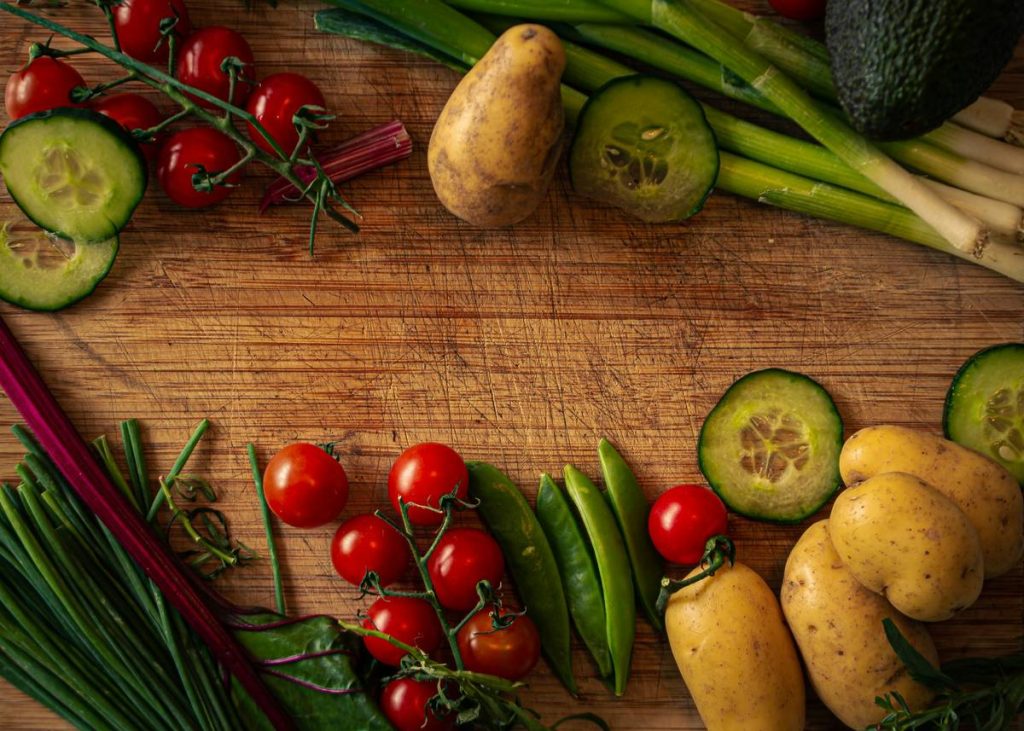
You wake up bloated. Again. Your energy crashes by 3 p.m. You’re eating “healthy”—yogurt, salads, whole grains—but your gut screams betrayal. Standard advice feels like spinning in circles. Here’s the fix: a meal plan for gut health that actually respects flavor, variety, and your microbiome’s complex cravings.
Why Most Gut-Healing Diets Fail Within 72 Hours
They’re built on deprivation—not science. Cut out gluten? Fine. But then you replace it with ultra-processed “gluten-free” junk loaded with emulsifiers that shred your mucus lining. Go low-FODMAP without reintroduction? You starve beneficial bacteria long-term. And don’t get me started on “just eat bone broth”—your gut needs diversity, not monotonous sipping.
The real issue? Generic plans ignore individual tolerance. What soothes one person’s gut inflames another’s. Yet every blog pushes the same sad list of steamed zucchini and probiotic capsules.
meal plan for gut health: A Flexible Framework (Not a Rigid Menu)
Ditch the spreadsheet tyranny. Build meals around three non-negotiable pillars:
Fiber Variety Over Fiber Volume
Your microbes thrive on different fibers—not just more. Rotate between oats (beta-glucan), flaxseeds (soluble fiber), and cooked carrots (pectin). One day you might tolerate lentils; the next, they trigger gas. Track, don’t assume.
Fermented Foods—But Strategically
Kefir at breakfast? Great—if you’re not histamine-sensitive. Sauerkraut with lunch? Only if you’ve healed leaky gut first. Start low: 1 teaspoon of kimchi daily. Ramp up only if no bloating follows.
Timing Matters More Than You Think
Eating heavy fiber right before bed? That’s a fast track to midnight cramps. Space prebiotic foods across meals. Save resistant starch (like cooled potatoes) for lunch—your gut motility peaks midday.
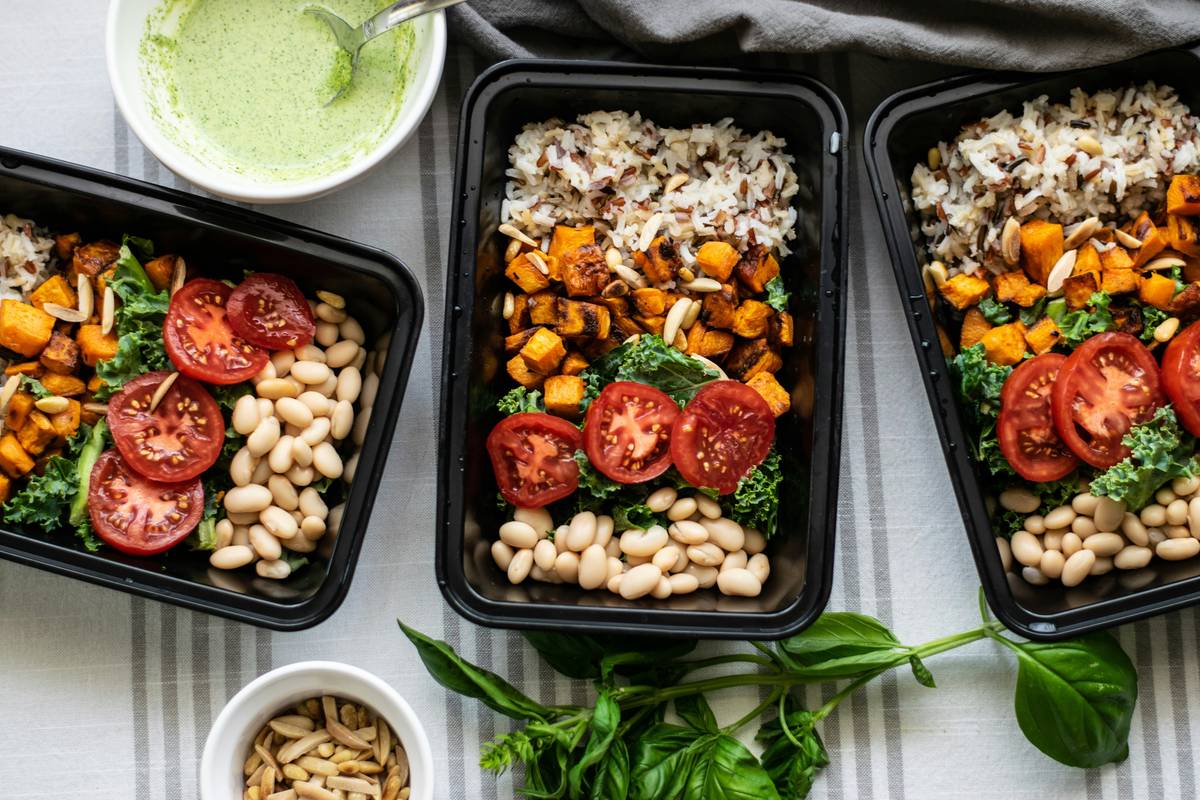
| Approach | Cost (Weekly) | Gut Impact | Sustainability |
|---|---|---|---|
| Ultra-Restrictive Elimination Diet | $85+ | Short-term relief; long-term dysbiosis risk | Poor (high dropout rate) |
| Generic “Gut Health” Meal Delivery | $120+ | Often high in processed thickeners (xanthan gum = inflammation) | Mediocre (boring repetition) |
| Customizable Fiber-Rotation Plan | $45–$60 | Boosts microbial diversity + reduces bloating | Excellent (adapts to your feedback) |
The Industry Secret: Your Microbiome Hates Consistency
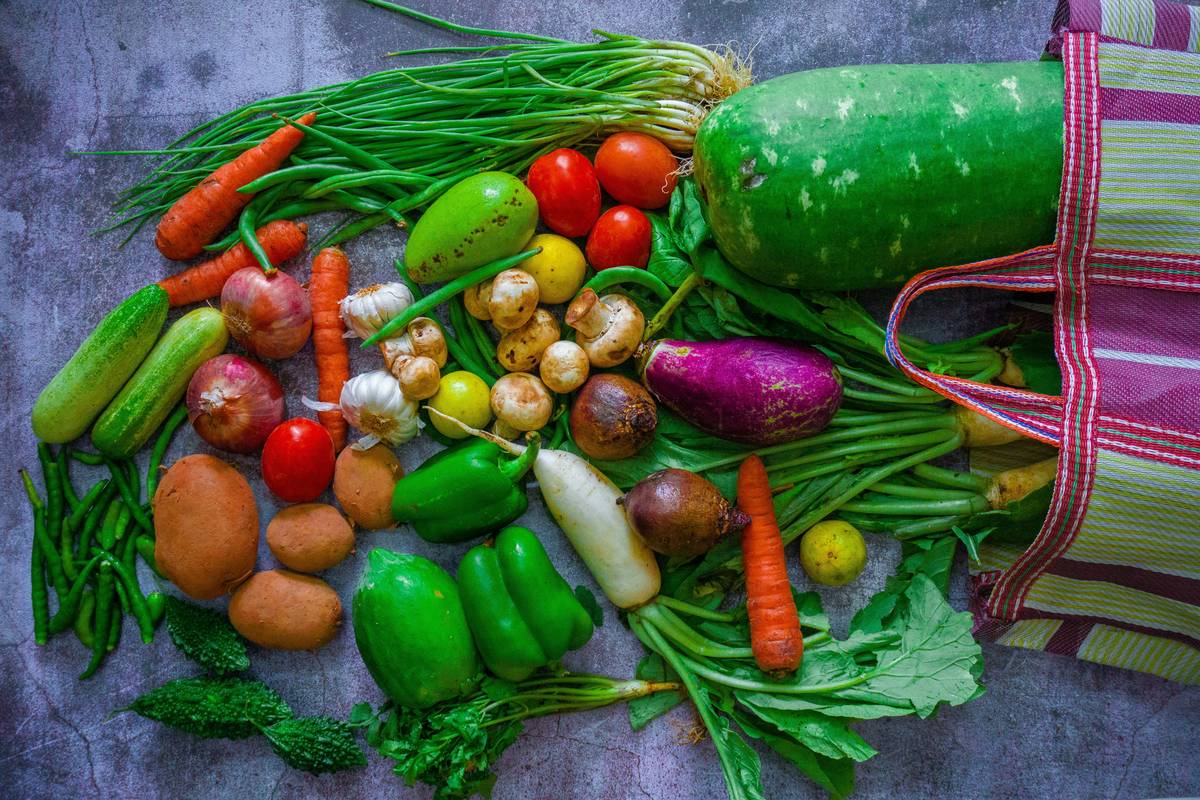
Food companies—and even some dietitians—push “consistency” as key. Wrong. Your gut bugs crave variation. A 2023 Stanford study found people eating 30+ different plant types weekly had significantly richer microbiomes than those sticking to 10—even if total fiber was equal. So rotate your greens: arugula Monday, bok choy Tuesday, beet greens Wednesday. Swap chickpeas for black beans. Use turmeric one day, ginger the next. Monotony = microbial stagnation. Diversity = resilience.
Frequently Asked Questions
Can I drink coffee on a gut health meal plan?
Yes—but not on an empty stomach. Pair it with a fat source (like almond butter toast) to buffer acidity. And skip the artificial sweeteners; they disrupt microbial balance.
How quickly will I see results from a meal plan for gut health?
Most notice less bloating in 3–5 days. Full shifts in digestion take 4–6 weeks. Track symptoms daily—it’s rarely linear.
Are bananas good for gut health?
Ripe bananas? Yes—rich in pectin. Green bananas? Even better—they deliver resistant starch that feeds good bacteria. But if you’re SIBO-positive, limit both.