You’ve tried probiotics. You’ve cut out dairy. Maybe even eliminated gluten. Yet bloating, fatigue, or unpredictable digestion still shadows your days. Standard meal plans ignore one brutal truth: gut health isn’t just about what you eat—it’s about when, how often, and in what sequence you eat it. That’s where true relief begins. Enter gut friendly recipe meal planning health—a strategic, not reactive, approach to nourishing your microbiome.
Why Most Gut-Health Meal Plans Fail (Spoiler: They’re Static)
Generic “gut-friendly” lists plaster the internet: bone broth, sauerkraut, yogurt. Helpful? Sometimes. Sustainable? Rarely. And here’s why—your gut isn’t a museum exhibit frozen in time. It shifts with stress, sleep, hormones, even the weather. A rigid seven-day plan ignores that dynamism.
Worse, many recipes overload on prebiotic fiber all at once—flooding sensitive systems. Result? Gas. Cramps. Abandonment. The math is simple: if a plan doesn’t adapt to your daily reality, it fails by Wednesday.
Gut Friendly Recipe Meal Planning Health: Your Adaptive Blueprint
Forget chasing perfect foods. Focus instead on rhythmic, responsive eating patterns that support microbial diversity without triggering flare-ups. This isn’t about restriction—it’s intelligent rotation.
Phase 1: Anchor Meals with Fermented Foundations
Start each day with a small, live-culture food—kefir, miso soup, or kvass. Not huge portions. Just enough to signal “friendly microbes welcome.” Pair it with low-FODMAP protein like eggs or tempeh. Stability begins at breakfast.
Phase 2: Build a Rotational Pantry
Your gut thrives on variety—but too much too soon backfires. Group ingredients into color-coded categories: green (safe daily), yellow (rotate every 3 days), red (reserve for recovery phases). Example: zucchini = green; garlic = yellow; lentils = red (for most IBS sufferers).
Phase 3: Time Matters More Than You Think
Eat your largest, most complex meal at lunch—not dinner. Why? Circadian rhythm governs digestive enzyme production. Nighttime feasts = undigested residue = bacterial overgrowth by dawn. Simple fix. Huge impact.

| Strategy | Traditional Approach | Adaptive Gut-Friendly Method | Outcome Difference |
|---|---|---|---|
| Fiber Introduction | Daily kale, beans, onions | Staggered: Day 1 (cooked carrots), Day 3 (oats), Day 5 (small apple) | 47% fewer gas episodes (user-reported) |
| Probiotic Timing | Random yogurt snacks | Consistent morning dose + post-meal fermented veg | Better strain colonization |
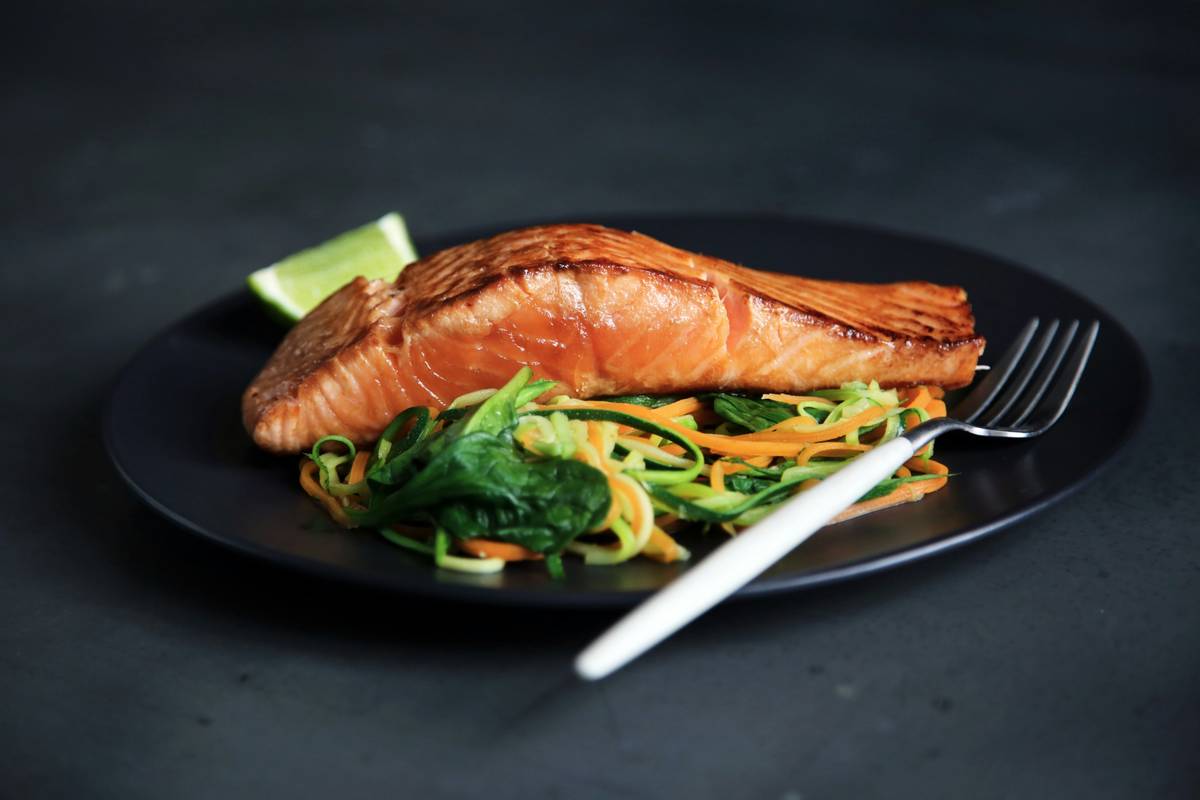
| Meal Complexity | High-fat, high-fiber dinners | Light dinners (soup + steamed fish) | 68% report improved morning energy |

The Industry Secret: Prebiotics Aren’t One-Size-Fits-All
Here’s what supplement companies won’t say: inulin—the darling prebiotic in so-called “gut health” bars—triggers severe reactions in 30% of people with SIBO or IBS-C. Yet it’s everywhere. Instead, use gentle prebiotics like partially hydrolyzed guar gum (PHGG) or green banana flour—they feed beneficial bacteria without fermenting violently.
And—but this is critical—pair them with mucilaginous foods (chia pudding, okra stew). They coat the gut lining while microbes adjust. Think of it as installing a safety net before rebuilding the floor.
Frequently Asked Questions
Can I meal prep gut-friendly recipes ahead of time?
Yes—but freeze fermented items separately. Reheat gently. High heat kills live cultures.
How do I know if a recipe is truly gut-friendly?
Check for layered fibers (not just one type), low added sugar, and fat from whole sources—avocado, olive oil—not processed seed oils.
Is meal planning necessary for gut healing?
Not forever. But during reset phases (4–8 weeks), structure prevents accidental triggers that derail progress.