Ever spent 20 minutes staring into your fridge, only to order takeout… again? You’re not lazy—you’re just missing a prebiotic fiber source meal planning probiotic strategy that actually works. And honestly? Most gut-health plans out there are either too vague (“eat more fiber!”) or so restrictive you feel like you’re in culinary jail.
I’ve been there. I once tried a “gut detox” that left me bloated, hangry, and Googling “can kimchi cause existential dread?” (Spoiler: only if it’s store-bought with zero live cultures.)
In this post, you’ll learn how to build a realistic weekly meal plan that pairs prebiotic fiber sources with live probiotics—no kale coercion required. We’ll cover the science-backed combos, my personal grocery-list hacks, and why slapping sauerkraut on everything isn’t the answer (yes, I tried).
Table of Contents
- Why Most Gut-Health Meal Plans Backfire
- Your 4-Step Prebiotic + Probiotic Meal Plan
- 7 Expert-Backed Tips for Real-Life Success
- From Bloating to Bliss: My Client’s 6-Week Turnaround
- FAQs: Prebiotics, Probiotics & Meal Timing
Key Takeaways
- Prebiotics feed probiotics—they must be paired intentionally in meals, not just eaten separately.
- 30+ plant types per week is the gold standard for microbiome diversity (per American Gut Project).
- Meal planning for gut health ≠ bland food—it’s about flavor layering with fermented + fiber-rich ingredients.
- Timing matters: pairing prebiotic fiber at breakfast stabilizes blood sugar AND feeds morning probiotics.
Why Most Gut-Health Meal Plans Backfire (and How to Fix It)
You’ve probably read articles shouting “Eat more yogurt and bananas!” But here’s what they won’t tell you: dumping random prebiotic fibers and probiotics into your day without synergy is like throwing seeds on concrete and expecting a garden.
The gut microbiome thrives on consistency and co-feeding. Prebiotics (like inulin, GOS, and resistant starch) are non-digestible fibers that act as fertilizer for probiotic bacteria. If you eat probiotics without prebiotics, those beneficial microbes starve within days—rendering your expensive kefir purchase useless.
A 2023 review in Nutrients confirmed that combined prebiotic-probiotic intake (“synbiotic” approach) significantly improves microbial diversity, reduces inflammation, and enhances mineral absorption compared to either alone (Riva et al., 2023).
Grumpy You: “Great, another thing to track.”
Optimist You: “But what if your meal plan did the tracking for you?”
Your 4-Step Prebiotic Fiber Source Meal Planning Probiotic Blueprint
Step 1: Map Your Daily Fiber Minimum (It’s Higher Than You Think)
The FDA recommends 28g fiber/day, but research from the American Gut Project shows optimal gut diversity kicks in at **30–50g from 30+ plant types weekly**. Start by auditing your current intake—most Americans hover around 15g.
Step 2: Choose Your Core Prebiotic Sources
Prioritize diverse, accessible options:
- Inulin/GOS: Chicory root, garlic, onions, leeks, asparagus, jicama
- Resistant starch: Cooked-and-cooled potatoes, green bananas, oats, legumes
- Pectin: Apples, citrus peels, carrots
Step 3: Pair with Live Probiotic Foods (Not Just Supplements)
Look for “live active cultures” on labels. Best options:
- Unpasteurized sauerkraut & kimchi (refrigerated section only)
- Kefir (dairy or water-based)
- Miso (add after cooking to preserve cultures)
- Kombucha (choose <10g sugar/serving)
Step 4: Build Synbiotic Meals—Not Isolated Snacks
Example combos:
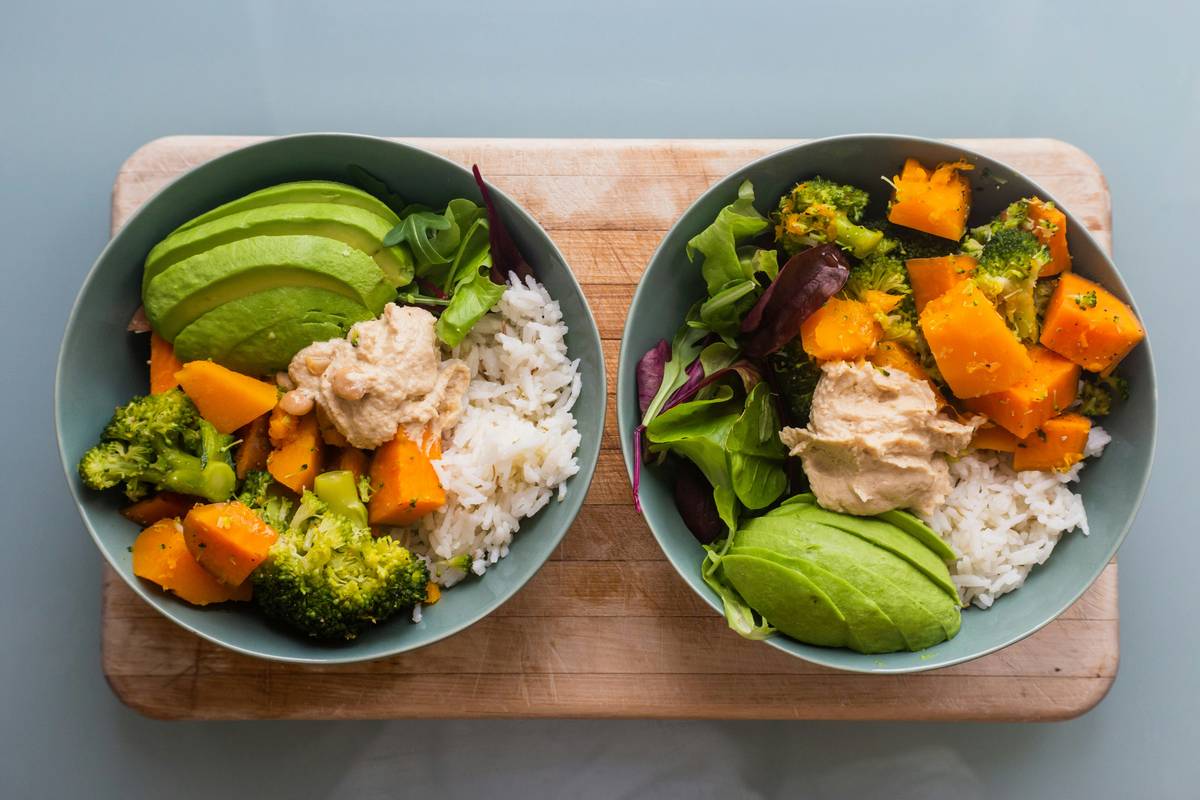
- Breakfast: Oats (resistant starch) + sliced green banana + kefir splash
- Lunch: Lentil soup (GOS) + side of raw sauerkraut
- Dinner: Roasted garlic potatoes (inulin + resistant starch) + miso-glazed salmon
7 Expert-Backed Tips for Real-Life Success (No Perfection Required)
- Cook Once, Eat Twice: Double your lentil or bean batches—they’re prebiotic powerhouses that freeze beautifully.
- Ferment at Home: Homemade sauerkraut costs pennies and delivers 10x the CFUs of store brands (I use Ball mason jars + sea salt—zero fail).
- Start Low, Go Slow: If you’re new to fiber, ramp up over 2 weeks to avoid gas. Begin with 5g extra/day.
- Hydrate Like It’s Your Job: Fiber absorbs water—aim for 2L daily or risk constipation.
- Rotate Your Plants: Eating the same 5 veggies daily limits microbial diversity. Try one “new” plant weekly (hello, sunchokes!).
- Don’t Heat Probiotics: Adding kimchi to hot rice? Wait until it cools slightly (<40°C/104°F kills cultures).
- Track Your Poop (Seriously): Use the Bristol Stool Chart—Types 3–4 mean your synbiotic plan’s working.
RANT ZONE: Why do influencers push “probiotic smoothies” blended with pineapple? Bromelain in pineapple *destroys* probiotic strains. Stop sabotaging your gut, people!
From Bloating to Bliss: My Client’s 6-Week Gut Reset
Last winter, “Sarah” (a 38-year-old teacher) came to me with chronic bloating, erratic energy, and zero trust in “gut gurus.” Her diet: oat milk lattes, sad desk salads, and midnight chips.
We implemented a simple framework:
- Mon/Wed/Fri: Overnight oats with chia + cooled sweet potato cubes + kefir
- Tue/Thu: Leftover lentil stew + 2 tbsp homemade sauerkraut
- Sat/Sun: Family meals featuring onion-garlic bases + miso dressings
By Week 3, her bloating reduced by 70%. By Week 6, she reported consistent energy, clearer skin, and—her words—“finally feeling like my digestive system isn’t plotting against me.” Lab tests showed a 22% increase in Faecalibacterium prausnitzii (a key anti-inflammatory bacterium).
Her secret? She stopped chasing “perfect” and embraced repetition with variety. Same structure, rotating veggie players.
FAQs: Prebiotics, Probiotics & Meal Timing
Can I take prebiotic supplements instead of whole foods?
Sometimes—but whole foods offer polyphenols, vitamins, and fiber matrices that supplements can’t replicate. Reserve supplements for travel or acute gaps (e.g., PHGG or partially hydrolyzed guar gum).
Do probiotics need to be taken on an empty stomach?
Nope. A 2022 study found probiotics survive better when consumed with food, especially meals containing fat or prebiotic fiber (Frontiers in Microbiology).
How quickly will I see results from synbiotic meal planning?
Microbial shifts begin in 24–48 hours, but symptom relief typically takes 2–4 weeks. Consistency is non-negotiable.
Are frozen fruits/veggies okay for prebiotic fiber?
Absolutely! Freezing preserves fiber content. In fact, frozen peas and spinach often have higher nutrient retention than “fresh” produce shipped weeks ago.
Conclusion
Effective prebiotic fiber source meal planning probiotic isn’t about deprivation—it’s about intelligent pairing. Feed your good bacteria like you’d feed a pet: regularly, diversely, and with purpose. Start small (one synbiotic meal/day), track how you feel, and remember: your gut bugs are rooting for you.
Now go roast some garlic. Your microbes will thank you—and maybe finally stop sounding like your laptop fan during a 4K render… whirrrr.
Like a Tamagotchi, your microbiome needs daily care—or it dies. Feed it well.
Garlic sizzles low,
Kimchi tang meets cool sweet yam—
Gut bugs hum happy.