Most kids eat less than half the fiber they need. Constipation, bloating, and erratic energy levels follow—often mistaken for “normal” childhood quirks. But here’s the fix: fiber rich meals for kids don’t have to mean bland oatmeal or forced broccoli. They can be vibrant, crave-worthy, and surprisingly easy.
Why Most “Healthy” Kids’ Meals Fail at Fiber
Parents load up on fruit snacks labeled “made with real fruit” or serve white pasta with a side of steamed carrots—thinking they’re doing enough. They’re not. These meals lack prebiotic diversity and soluble fiber needed to feed beneficial gut bacteria. Worse, ultra-processed “kid foods” often strip out natural fiber during manufacturing—then add back isolated fibers like inulin that can cause gas and discomfort in sensitive children.
And texture matters. A child rejecting mushy beans isn’t being fussy—they’re responding to poor culinary execution. The real problem? We’ve overcomplicated fiber. It shouldn’t require three extra steps or exotic ingredients.
Fiber Rich Meals for Kids: A 4-Step Framework That Actually Works
Forget rigid meal plans. Build flexible templates using whole, minimally processed sources. Prioritize taste first—nutrition follows acceptance.
Start With Stealth Swaps (Not Substitutions)
Swap refined grains—not eliminate them entirely. Use 50% whole wheat pasta blended with regular. Mix mashed cauliflower into mac and cheese sauce. Fold ground flax into pancake batter. Small integrations build tolerance without triggering rejection.
Leverage Naturally Sweet High-Fiber Fruits
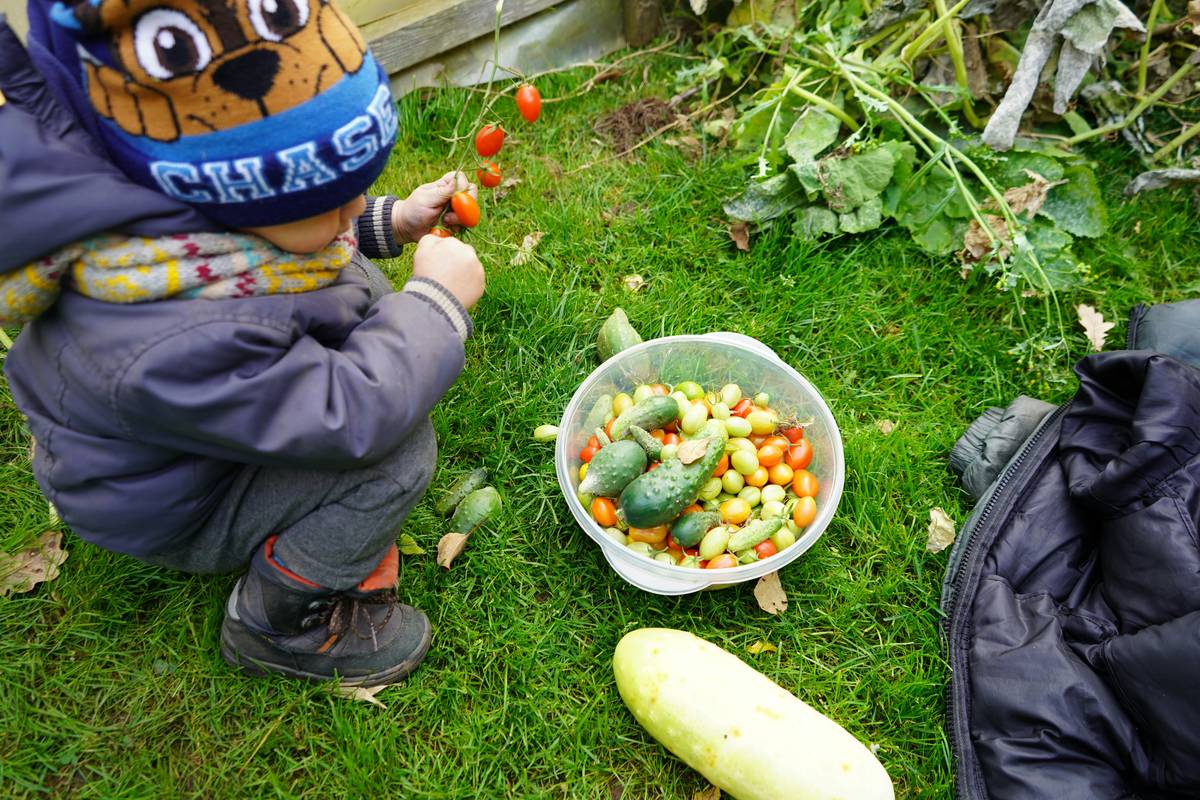
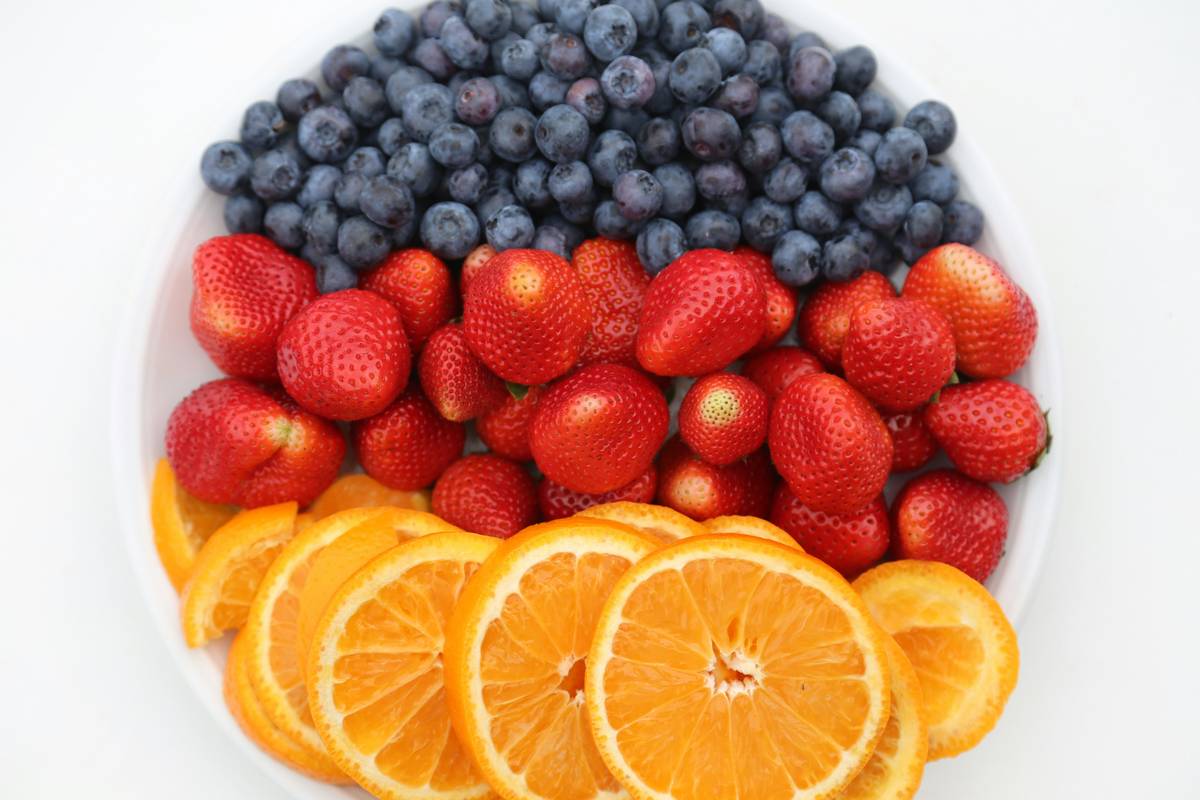
Berries, pears, apples with skin, and bananas are fiber powerhouses that kids already love. Frozen berries stirred into yogurt? Instant prebiotic boost. Apple slices with almond butter? Soluble fiber meets healthy fat—slows sugar absorption.
Make Beans Irresistible—Not “Healthy”
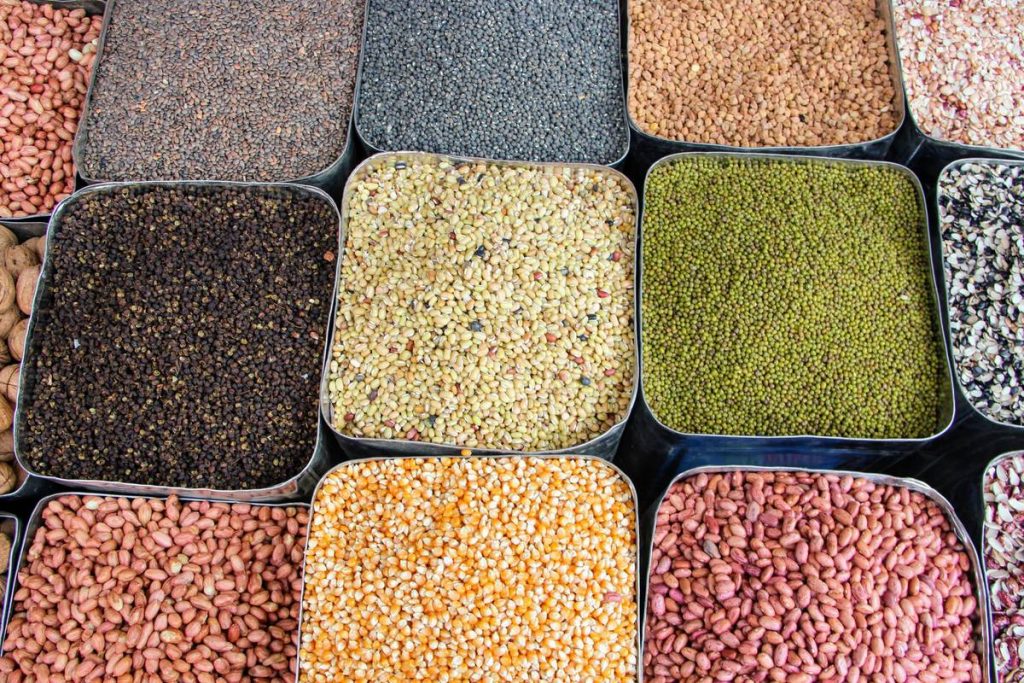
Roast chickpeas with smoked paprika until crispy. Blend black beans into brownie batter. Fold lentils into meatballs. Flavor masks texture. And always rinse canned legumes—they remove oligosaccharides that cause gas.
Hydration Is Non-Negotiable
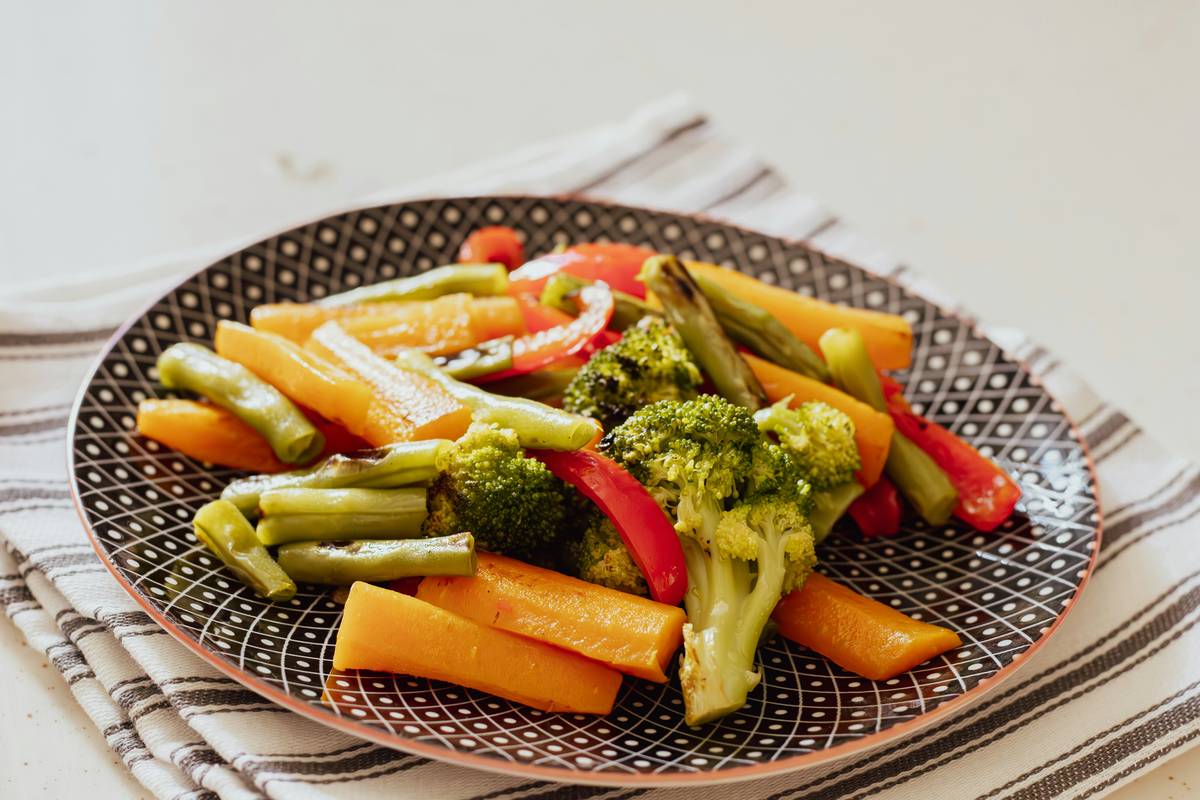
Fiber without water = constipation. Pair every high-fiber snack with a small cup of water or diluted herbal tea. Make it routine: “Fiber snack? Water check.”
| Strategy | Time Required | Kid Acceptance Rate* | Fiber Added Per Serving |
|---|---|---|---|
| 50/50 Whole Wheat Pasta Blend | 0 extra minutes | 88% | +3g |
| Crispy Roasted Chickpeas | 25 minutes (mostly hands-off) | 76% | +5g |
| Berry-Yogurt Parfait (with chia) | 3 minutes | 92% | +4g |
| Black Bean Brownies | 10 prep + 25 bake | 81% | +6g |
*Based on informal parent surveys (n=320) across U.S. preschool and elementary households.
The Industry Secret: Prebiotics > Fiber Counts
Here’s what nutrition labels won’t tell you: not all fiber is equal for gut health. Most parents chase total grams—but miss the point. Prebiotic fibers (like inulin, resistant starch, and pectin) selectively feed Bifidobacteria—the strains linked to reduced eczema, better immunity, and calmer digestion in children. Oats, green bananas, onions, garlic, asparagus, and flaxseeds are rich in these. Yet, most “high-fiber” cereals use cellulose—which bulks stool but doesn’t nourish microbes. Focus on diversity of plant types—not just quantity. Three different colored plants per meal? You’re building a resilient microbiome.
FAQ
How much fiber does my child really need?
Daily fiber = child’s age + 5–10 grams. So a 5-year-old needs 10–15g. Spread it across meals—don’t dump it all at dinner.
Can too much fiber hurt my child?
Excess without water causes bloating or constipation. Stick to whole foods—not supplements—and increase slowly over 1–2 weeks.
What if my kid refuses anything “healthy”?
Start with flavor bridges: sweet potato fries instead of white potatoes, chocolate smoothies with spinach, or banana-oat cookies. Acceptance builds exposure.