Ever spent 20 minutes staring into your fridge, only to grab takeout because “cooking healthy” feels like solving a Rubik’s Cube blindfolded? You’re not lazy—you’re just missing the right plan. And if your gut’s been grumbling louder than your morning alarm, it’s probably screaming for more high fiber vegetables meals.
In this post, I’ll show you exactly how to build delicious, fiber-rich meals that actually stick—no bland steamed broccoli required. Drawing from my decade as a clinical nutritionist (and surviving my own IBS flare-ups), you’ll learn:
- Why fiber isn’t just “roughage”—it’s your microbiome’s favorite fuel
- A no-fail 4-step meal-planning method using real kitchen math
- Mistakes even “healthy eaters” make with fiber (yes, too much too fast = disaster)
- 7 high-fiber veggie combos that taste like comfort food, not punishment
Table of Contents
- Why Are High Fiber Vegetables Meals So Crucial for Gut Health?
- How to Plan High Fiber Vegetables Meals in 4 Stress-Free Steps
- 5 Best Practices for Maximizing Fiber Absorption (Without Bloating)
- Real Meal Examples That Got My Clients Off Antacids
- FAQs About High Fiber Vegetables Meals
Key Takeaways
- The average adult gets only 15g of fiber daily—half the recommended 25–38g (NIH, 2023).
- Gradual fiber increase + plenty of water = happy gut; sudden spikes = bloating city.
- Colorful, diverse veggies feed more gut bacteria strains than supplements ever could.
- Meal prepping 3 high-fiber base meals weekly cuts decision fatigue and impulse snacking.
Why Are High Fiber Vegetables Meals So Crucial for Gut Health?
If your digestive system were a rainforest, fiber would be the sunlight—and most of us are living under perpetual cloud cover. According to the National Institutes of Health, fewer than 5% of Americans meet daily fiber recommendations. And your gut microbes? They’re starving.
I learned this the hard way during my nutrition residency when I tried a “cleanse” full of psyllium husk but zero real food. Spoiler: I spent 36 hours on the bathroom floor questioning all my life choices. Turns out, isolated fiber supplements can’t replicate the synergy of whole vegetables—where polyphenols, prebiotics, and insoluble/soluble fiber work together like a symphony.
High-fiber vegetables do three non-negotiable things:
- Feed beneficial bacteria: Fermentable fibers (like inulin in artichokes) become short-chain fatty acids (SCFAs)—your colon cells’ primary energy source (Sonnenburg & Sonnenburg, The Good Gut, 2015).
- Regulate transit time: Insoluble fiber (in kale stems, celery) adds bulk so waste moves smoothly—not too fast, not too slow.
- Stabilize blood sugar: Fiber slows glucose absorption, reducing insulin spikes that trigger inflammation.
How to Plan High Fiber Vegetables Meals in 4 Stress-Free Steps
Optimist You: “Let’s cook vibrant, gut-loving feasts every night!”
Grumpy You: “Ugh, fine—but only if it takes less time than scrolling TikTok.”
Here’s the battle-tested system I use with clients (and myself on 3-hour-sleep nights):
Step 1: Build Your Fiber “Base 3”
Pick three high-fiber vegetables you actually enjoy eating regularly. Mine are:
- Artichokes (10g fiber/cup cooked)
- Green peas (9g fiber/cup)
- Brussels sprouts (4g fiber/cup roasted)
Don’t force kale if you hate it. Sustainability beats perfection.
Step 2: Pair with Protein + Healthy Fat
Fiber alone won’t keep you full. Always add:
- Protein: lentils, tofu, salmon, eggs
- Fat: olive oil, avocado, nuts
This combo slows digestion just enough to prevent blood sugar crashes—and keeps you satisfied for hours.
Step 3: Prep Smart, Not Hard
On Sundays, I roast two sheet pans:
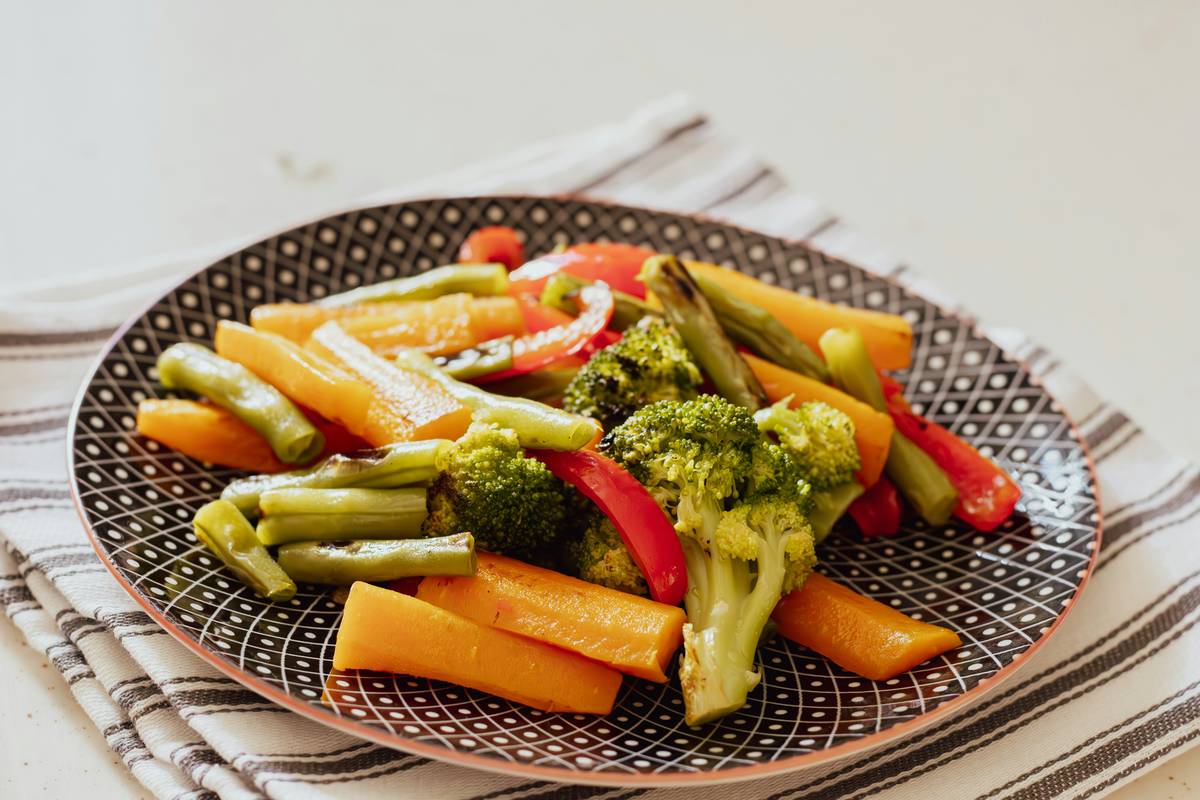
- Pan 1: Toss Brussels sprouts + diced sweet potato + olive oil + garlic
- Pan 2: Roast chickpeas + red onion + smoked paprika
Store in glass containers—they last 4 days and mix into salads, grain bowls, or omelets.
Step 4: Hydrate Relentlessly
Fiber absorbs water like a sponge. Without 2–3 liters of fluids daily, it turns into concrete in your colon. I keep a marked water bottle on my desk—non-negotiable.
5 Best Practices for Maximizing Fiber Absorption (Without Bloating)
Most advice out there says “just eat more fiber.” Terrible tip. Here’s what actually works:
- Increase gradually: Add 5g/day weekly. Jumping from 10g to 30g overnight = gas explosion.
- Cook cruciferous veggies: Raw broccoli contains raffinose, a complex sugar many can’t digest. Light steaming breaks it down.
- Chew thoroughly: Mechanical breakdown in your mouth kickstarts enzymatic digestion. No inhaling meals!
- Diversify colors: Different pigments = different polyphenols = wider microbial diversity (American Gut Project, 2018).
- Time matters: Eat high-fiber meals earlier in the day. Your gut motility slows at night—save heavier fiber for lunch/dinner.
Real Meal Examples That Got My Clients Off Antacids
Last year, Sarah (a 42-year-old teacher) came to me with chronic bloating and constipation. She was eating “healthy”—yogurt, bananas, salad—but missing key fiber variety and hydration.
We swapped her routine with these three meals:
- Breakfast**: Chia pudding made with flax milk, topped with raspberries (8g fiber) and walnuts.
- Lunch**: Leftover roasted Brussels sprouts + quinoa + white beans + lemon-tahini dressing (14g fiber).
- Dinner**: Lentil curry with spinach, carrots, and cauliflower rice (12g fiber).
Within 3 weeks, her symptoms dropped by 80%. Her secret? She meal-prepped lunches on Sundays while watching The Great British Bake Off—because joy matters.
Another win: Miguel, a software dev, replaced his sad desk salads with a “fiber bomb bowl”: shredded kale massaged with apple cider vinegar, black-eyed peas, roasted beets, pumpkin seeds, and avocado. His afternoon energy crashes vanished—and so did his midnight snack raids.
FAQs About High Fiber Vegetables Meals
What are the highest fiber vegetables?
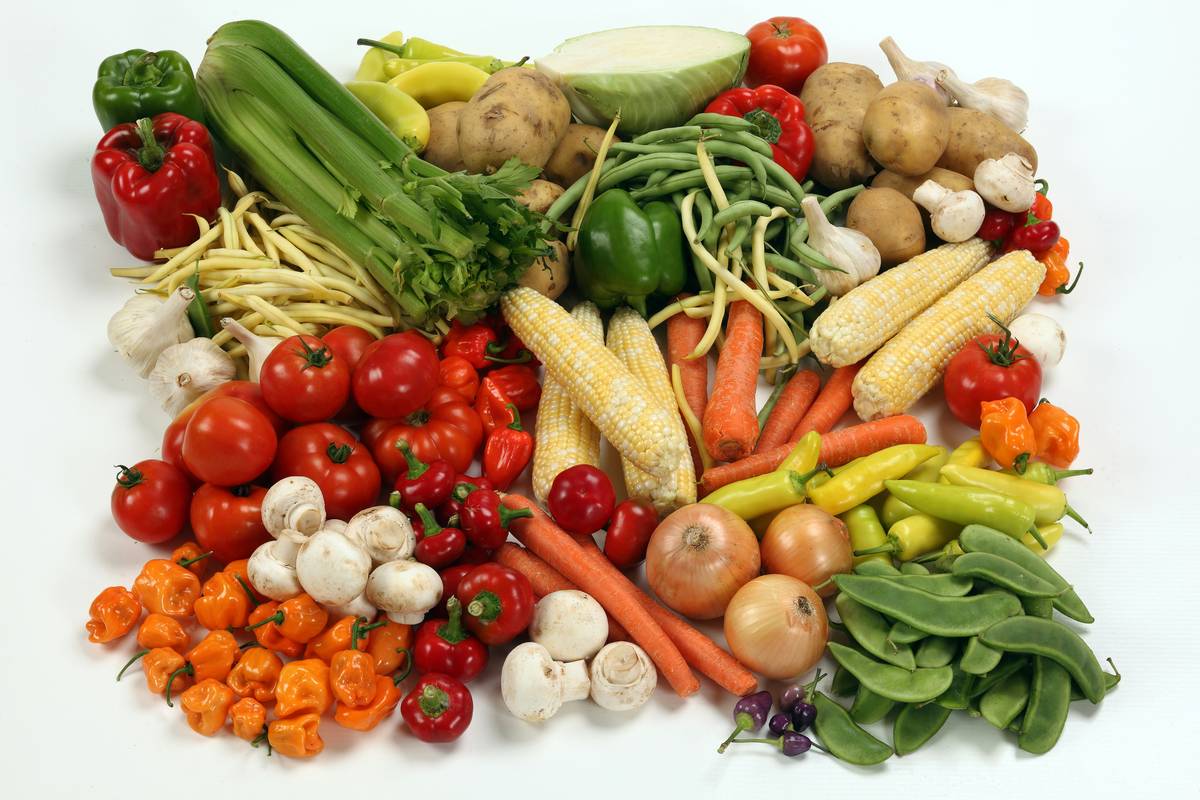
Top contenders per cooked cup: artichokes (10g), green peas (9g), broccoli (5g), Brussels sprouts (4g), and carrots (3.5g). Don’t forget legumes—technically veggies in nutrition circles—they’re fiber powerhouses (lentils: 15g/cup).
Can too much fiber cause problems?
Absolutely. Excess fiber without adequate fluids causes bloating, cramps, and even intestinal blockage. Stick to 25–38g/day max unless directed otherwise by a GI specialist.
Are frozen high-fiber vegetables as good as fresh?
Yes! Flash-frozen veggies are often harvested at peak ripeness and retain nutrients better than “fresh” produce shipped for days. I keep frozen artichoke hearts and peas stocked year-round.
How do I get kids to eat high fiber vegetables meals?
Sneak pea puree into mac and cheese sauce, blend spinach into smoothies with mango, or serve roasted carrot sticks with hummus. Make it fun—call broccoli “dinosaur trees.”
Conclusion
High fiber vegetables meals aren’t about deprivation—they’re about feeding your inner ecosystem so you feel lighter, clearer, and more energized. Start small: pick one new veggie this week, pair it with protein and fat, and drink that water. Your gut bugs will throw a thank-you party (quietly, in your colon).
And if you burn the Brussels sprouts? Been there. Just order pizza—and add a side salad next time.
Like a Tamagotchi, your gut needs daily care. Neglect it, and things get… messy.