Ever spend 20 minutes staring into your fridge, stomach growling like a disgruntled raccoon, only to sigh and order takeout—again? You’re not lazy. You’re just missing one thing: an eating well gut health meal plan that’s realistic, delicious, and actually supports your microbiome.
If your gut feels like a stormy sea after every meal—or you’re bloated, tired, or just “off”—you’re not alone. Over 70 million Americans suffer from digestive issues, many linked to diet. But here’s the good news: what you eat directly shapes your gut bacteria, and with the right plan, you can calm the chaos in as little as two weeks.
In this post, I’ll walk you through how to build a personalized eating well gut health meal plan based on clinical nutrition principles—not Instagram trends. You’ll learn:
- Why most gut-friendly diets fail (and how to avoid the #1 mistake)
- A step-by-step framework to create meals that feed good bacteria
- Real-food examples that taste like comfort, not punishment
- What to do when your gut throws a tantrum mid-week
Table of Contents
- Why Most Gut Health Diets Fail (And Yours Doesn’t Have To)
- How to Build Your Eating Well Gut Health Meal Plan in 4 Steps
- 5 Pro Tips for Sustaining Gut Balance Without Losing Your Mind
- Real-Life Success: How Maria Calmed Her IBS in 18 Days
- Eating Well Gut Health Meal Plan FAQs
Key Takeaways
- An effective eating well gut health meal plan prioritizes fiber diversity, fermented foods, and anti-inflammatory fats—not restriction.
- Start with 30+ plant types per week to nourish your microbiome (yes, herbs and spices count!).
- Meal prepping doesn’t require Sunday marathons—batch-cook 2 bases + 3 sauces for endless combos.
- Listen to your body: symptoms like gas, bloating, or fatigue are data, not failure.
Why Most Gut Health Diets Fail (And Yours Doesn’t Have To)
I’ll confess: my first “gut healing” attempt involved chugging kefir at 6 a.m. while dry-heaving over my kitchen sink. Spoiler: it didn’t work. Why? Because I focused on eliminating foods instead of nourishing my gut ecosystem.
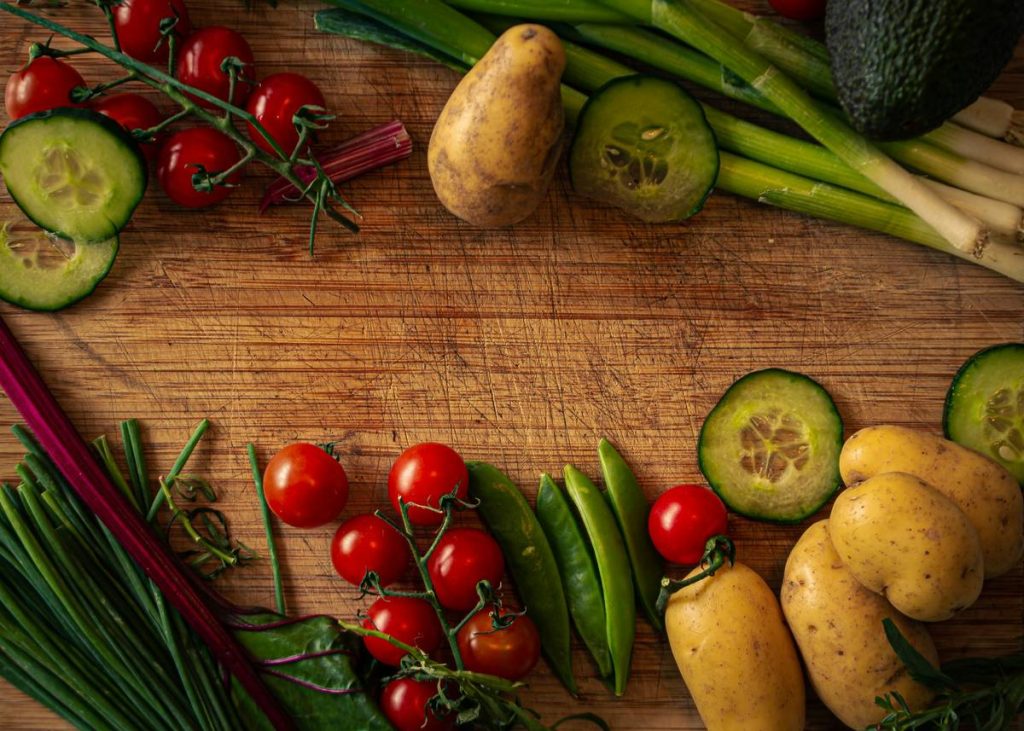
The truth? Your gut microbiome thrives on variety—not deprivation. Studies show that people who eat 30+ different plant foods weekly have significantly more diverse gut bacteria than those who eat 10 or fewer (American Gut Project, 2021). Yet most meal plans hand you the same sad rotation of chicken, broccoli, and quinoa until you dream of rebellion.
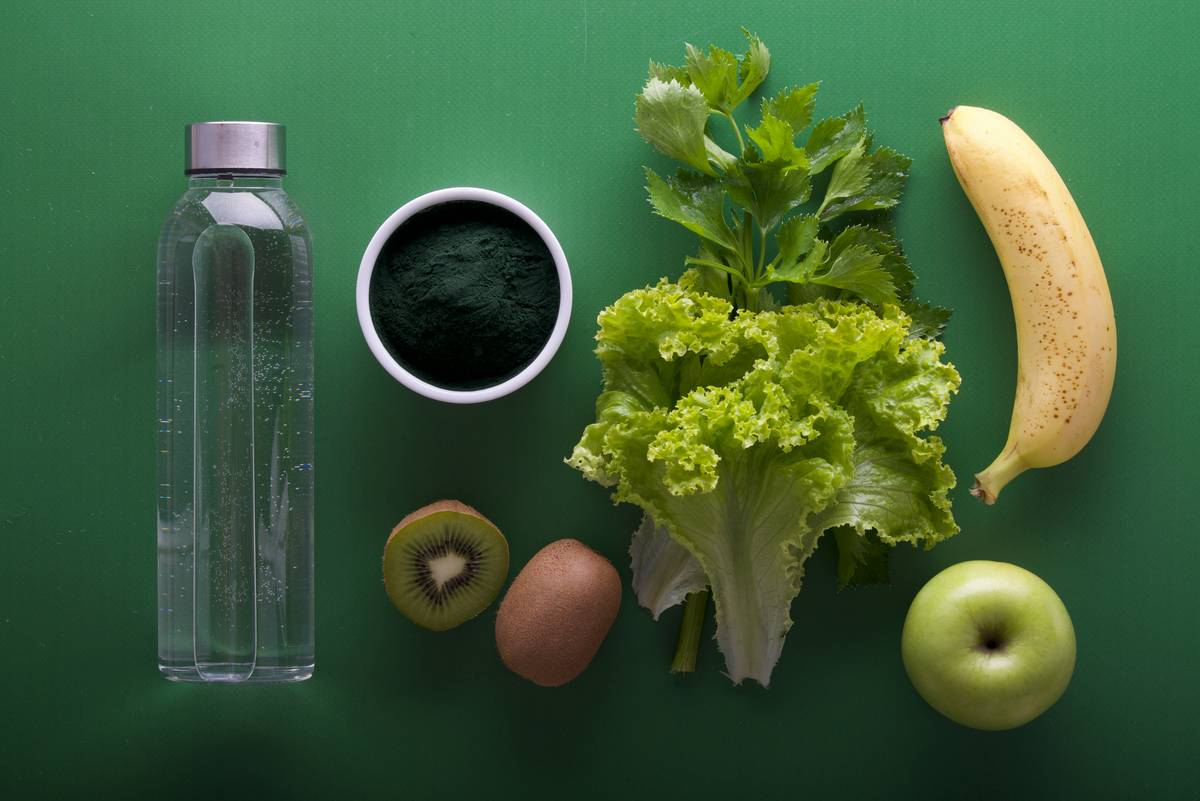
Worse, many “gut-friendly” plans cut out entire food groups (looking at you, low-FODMAP evangelists) without reintroduction phases. This backfires long-term by starving beneficial bacteria that rely on prebiotic fibers found in garlic, onions, legumes, and apples.
Grumpy You: “So I’m supposed to cook 30 weird plants? I can barely keep basil alive.”
Optimist You: “Nah—you just need smart combos. Think cilantro in salsa, flax in oatmeal, lentils in soup. It adds up fast.”
How to Build Your Eating Well Gut Health Meal Plan in 4 Steps
Step 1: Audit Your Current Plate (No Judgment Zone)
Before changing anything, track your meals for 3 days. Note: What did you eat? How did you feel 2 hours later? Bloating? Energy crash? Jot it down. This reveals hidden triggers (maybe it’s not dairy—it’s that “healthy” protein bar full of sugar alcohols).
Step 2: Pick Your Gut-Friendly Foundations
Build meals around these pillars:
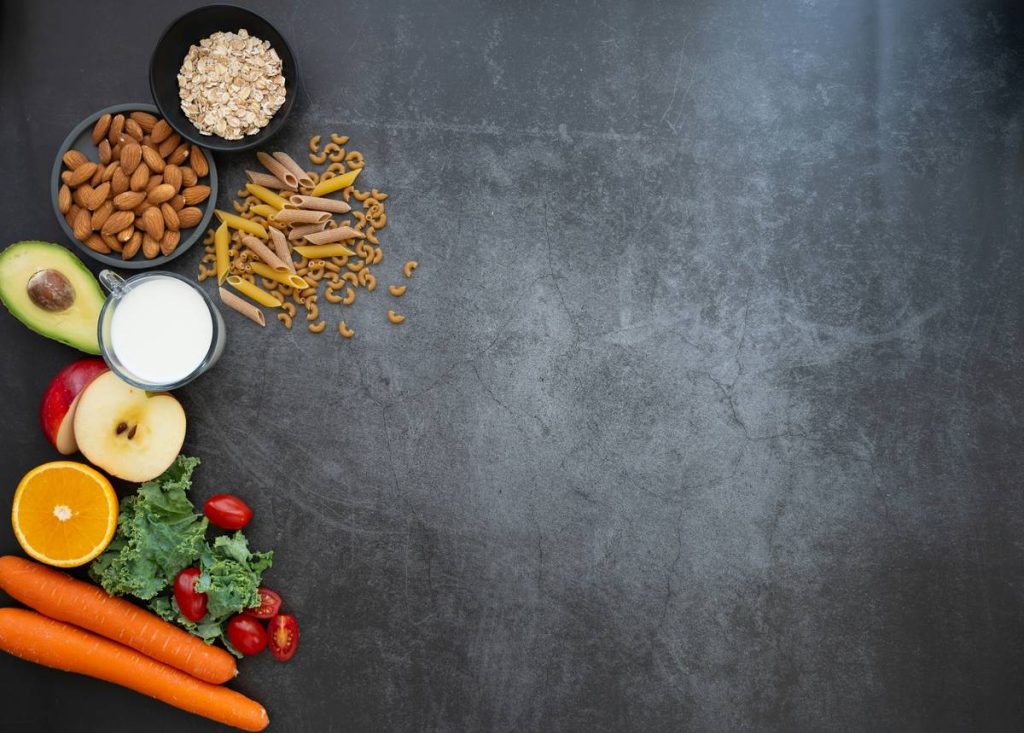
- Fiber Diversity: Aim for 8–10g fiber per meal from varied sources (oats, berries, chickpeas, artichokes).
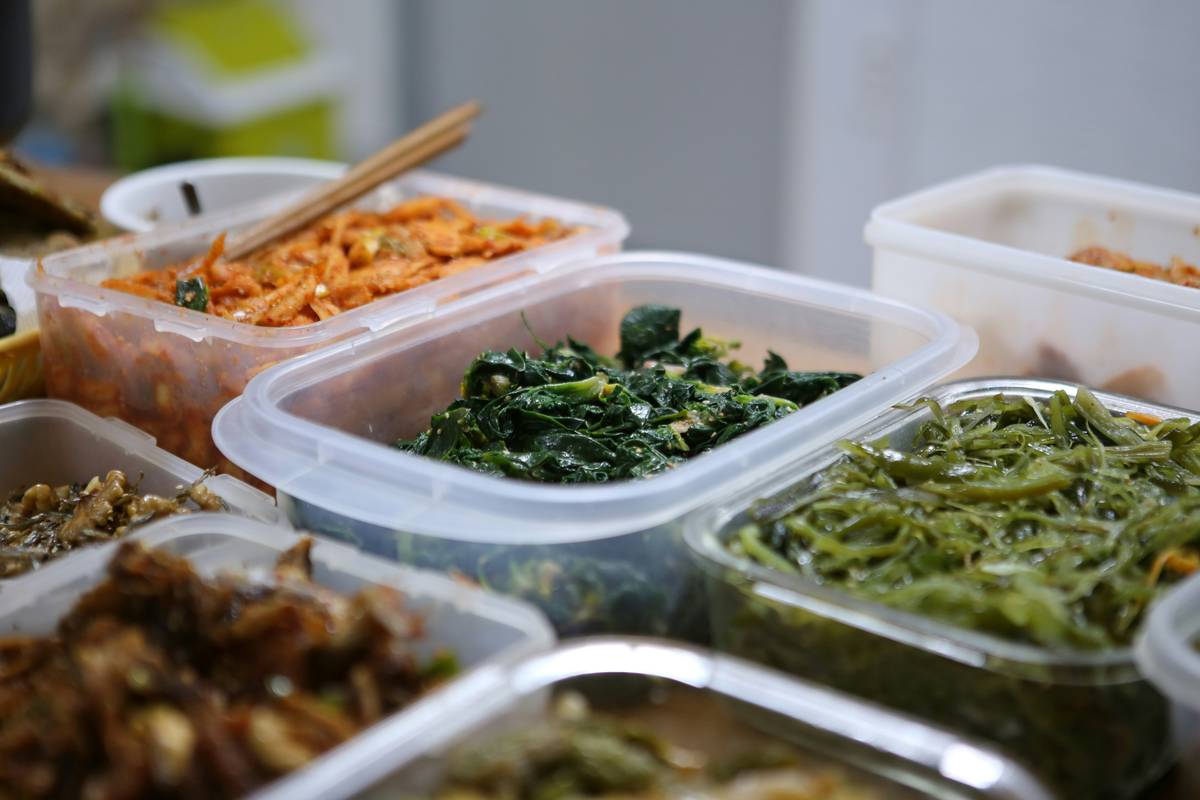
- Fermented Foods: Include 1–2 daily servings (e.g., sauerkraut, kimchi, plain yogurt, kombucha).
- Anti-Inflammatory Fats: Prioritize olive oil, avocado, walnuts, and fatty fish (salmon 2x/week).
Step 3: Batch-Cook Smart Bases
Every Sunday, make:
- 1 whole grain (quinoa, farro, or brown rice)
- 1 legume (lentils, black beans, or chickpeas)
- 3 sauces/dressings (e.g., tahini-lemon, pesto, ginger-turmeric vinaigrette)
Mix and match all week. Example: Farro + roasted sweet potatoes + kimchi + tahini sauce = gut-healing bowl in 5 minutes.
Step 4: Schedule “Gut Check-Ins”
Every Friday, ask: Did my energy improve? Less bloating? Adjust next week’s plan accordingly. No perfection needed—progress over purity.
5 Pro Tips for Sustaining Gut Balance Without Losing Your Mind
- Spice it up: Turmeric, ginger, and garlic aren’t just flavor—they’re prebiotics that feed good bacteria (Frontiers in Microbiology, 2018).
- Hydrate with purpose: Drink herbal teas (peppermint, fennel) to soothe digestion—skip artificial sweeteners.
- Prep freezer backups: Freeze single portions of lentil soup or veggie chili for “zero-energy” nights.
- Ditch the “cleanse” myth: Your liver detoxes naturally—support it with cruciferous veggies (broccoli, kale), not juice fasts.
- Pair meals with movement: A 10-minute post-meal walk boosts motility and reduces bloating.
Terrible Tip Disclaimer: “Just eat bone broth daily!” Nope. While collagen may support gut lining, broth lacks fiber—the real MVP for microbiome diversity. Don’t fall for broths that cost $12 a cup and promise miracles.
Real-Life Success: How Maria Calmed Her IBS in 18 Days
Maria, a 34-year-old teacher, came to me exhausted from years of IBS-D (diarrhea-predominant). She’d tried elimination diets that left her nutrient-deficient and still symptomatic. We built her an eating well gut health meal plan focused on:
- Gradual FODMAP reintroduction (starting with low-FODMAP veggies like zucchini and carrots)
- Daily kefir + 2 tbsp ground flaxseed
- Batch-cooked lentil-walnut “meatballs” for easy protein
By day 10, bloating decreased by 60%. By day 18, she reported stable energy and no bathroom emergencies during class. Key? We didn’t eliminate—we diversified. Her plant count jumped from 8 to 32/week.
Eating Well Gut Health Meal Plan FAQs
Can I still eat gluten or dairy?
If you don’t have celiac disease or diagnosed lactose intolerance, yes—but choose wisely. Opt for sourdough (lower gluten reactivity) and full-fat, probiotic-rich yogurt (many tolerate it better than milk).
How fast will I see results?
Most notice reduced bloating in 3–7 days. Full microbiome shifts take 4–6 weeks (Cell, 2014). Consistency beats speed.
What if I hate fermented foods?
Start small: 1 tsp sauerkraut on eggs. Or try water kefir—it’s fizzy and tangy, like gut-friendly soda. Never force it; focus on prebiotic fibers instead.
Do I need supplements?
Not initially. Food-first works best. If symptoms persist after 6 weeks, consult a GI dietitian about targeted probiotics (e.g., Bifidobacterium infantis for IBS).
Conclusion
An eating well gut health meal plan isn’t about rigid rules or punishing salads. It’s about feeding your inner ecosystem with colorful, fiber-rich, fermented foods—without losing your sanity or your taste buds. Start small: add one new plant food this week. Swap soda for kombucha. Cook a pot of lentils. Your gut (and your future self) will thank you.
Like a Tamagotchi, your microbiome needs daily care—not perfection, just presence. Now go forth and ferment.
Haiku of Hope:
Kimchi on rice bowl,
Fiber feeds the quiet bugs—
Belly hums content.