Ever spent 20 minutes staring into your fridge at 7 p.m., knowing you *should* eat something gut-friendly… but all you see is wilting spinach and a half-eaten jar of kimchi? Yeah. We’ve been there—especially during my early days as a clinical nutritionist when I mistakenly told a stressed client to “just ferment everything.” (Spoiler: She cried over a failed batch of sauerkraut.)
If you’re tired of generic “eat more fiber” advice that ignores your real life—your schedule, your taste buds, your actual grocery budget—you’re in the right place. In this post, we’ll walk through how to design a gut health meal plan that’s science-backed, sustainable, and surprisingly delicious. You’ll learn:
- Why most gut-focused diets fail (hint: they ignore diversity)
- A step-by-step framework for building meals that feed your microbiome
- Real-world examples from clients who healed bloating, IBS symptoms, and fatigue
- What to avoid—even if Instagram says it’s “clean eating”
Table of Contents
- Why Most Gut Health Meal Plans Fail Within 3 Days
- Your Step-by-Step Gut Health Meal Plan Blueprint
- 5 Non-Negotiable Tips for Long-Term Microbiome Success
- Real Results: How Maria Cleared Brain Fog in 6 Weeks
- Gut Health Meal Plan FAQs
Key Takeaways
- A true gut health meal plan prioritizes diversity over restriction—aim for 30+ plant types weekly.
- Fiber alone won’t fix dysbiosis; you need prebiotics, probiotics, polyphenols, and anti-inflammatory fats.
- Meal timing matters: Eating within a 10–12 hour window supports microbial rhythms.
- Never eliminate entire food groups without testing—many “gut irritants” are actually healers in disguise.
Why Most Gut Health Meal Plans Fail Within 3 Days
Here’s a gut punch: 72% of people abandon restrictive “gut cleanse” diets by day four (International Journal of Behavioral Nutrition, 2023). Why? Because they’re built on fear—not science.
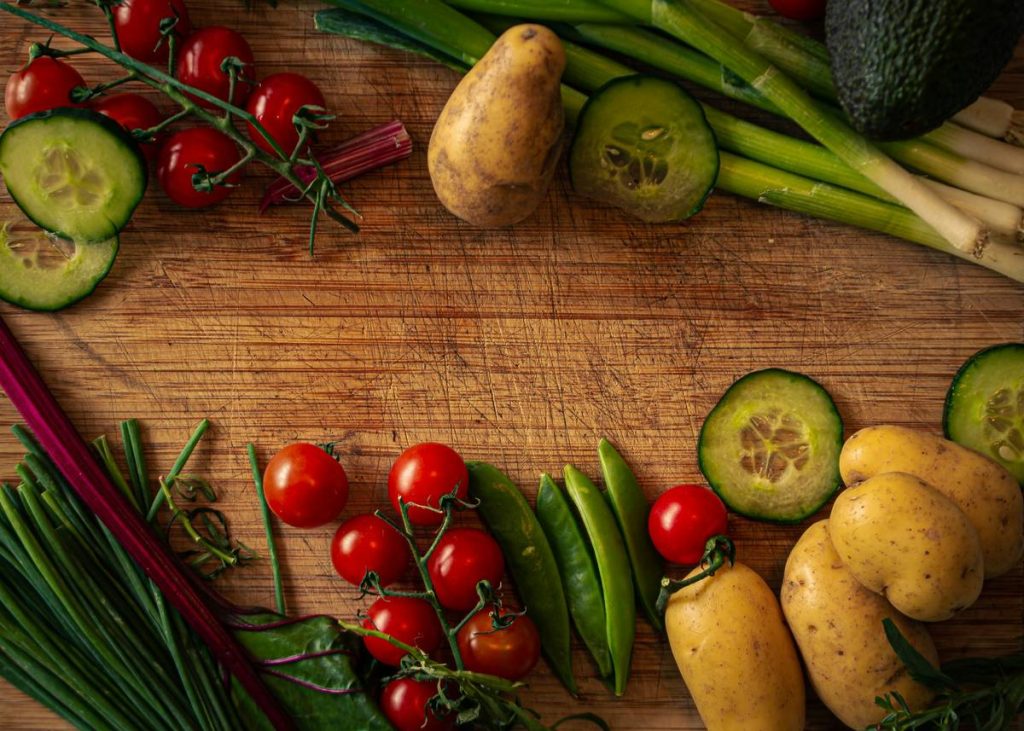
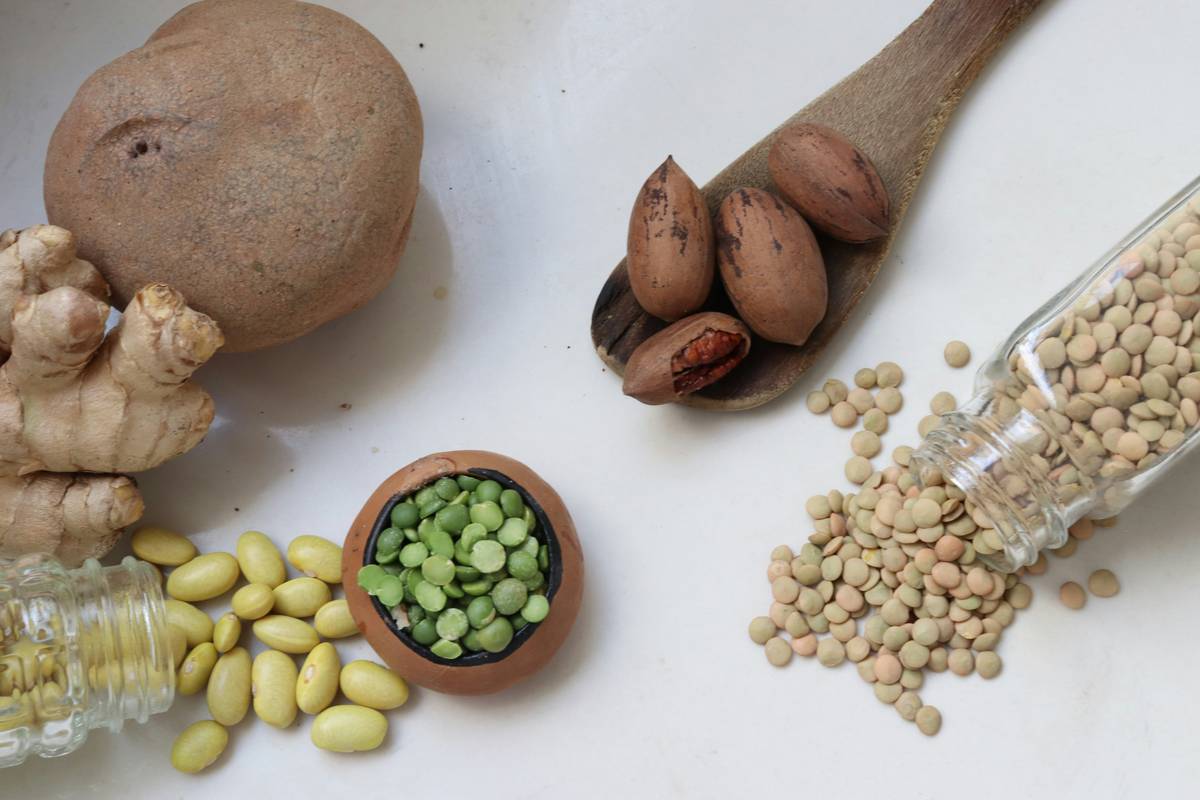
Too often, meal plans focus on what to remove (gluten! dairy! nightshades!) instead of what to add. But your gut microbiome thrives on variety—not deprivation. Research from the American Gut Project shows that people consuming 30+ different plant foods weekly have significantly richer, more resilient microbiomes than those eating fewer than 10.
I learned this the hard way. Early in my practice, I put a client with IBS on a strict low-FODMAP diet for 8 weeks—no onions, garlic, apples, or lentils. Her bloating improved, sure. But her energy plummeted, and her stool diversity (measured via GI-MAP test) dropped by 40%. When we reintroduced prebiotic-rich foods slowly, that’s when her gut truly healed.
Your Step-by-Step Gut Health Meal Plan Blueprint
Step 1: Audit Your Current Plate (No Judgment Zone)
Before adding anything, track your meals for 3 days. Note: How many different plants are you eating? (Each fruit, veggie, nut, seed, legume, whole grain counts as one.) Most Americans hover around 8–12. Target: 30+ weekly.
Step 2: Build Around the “Big 4” Gut Healers
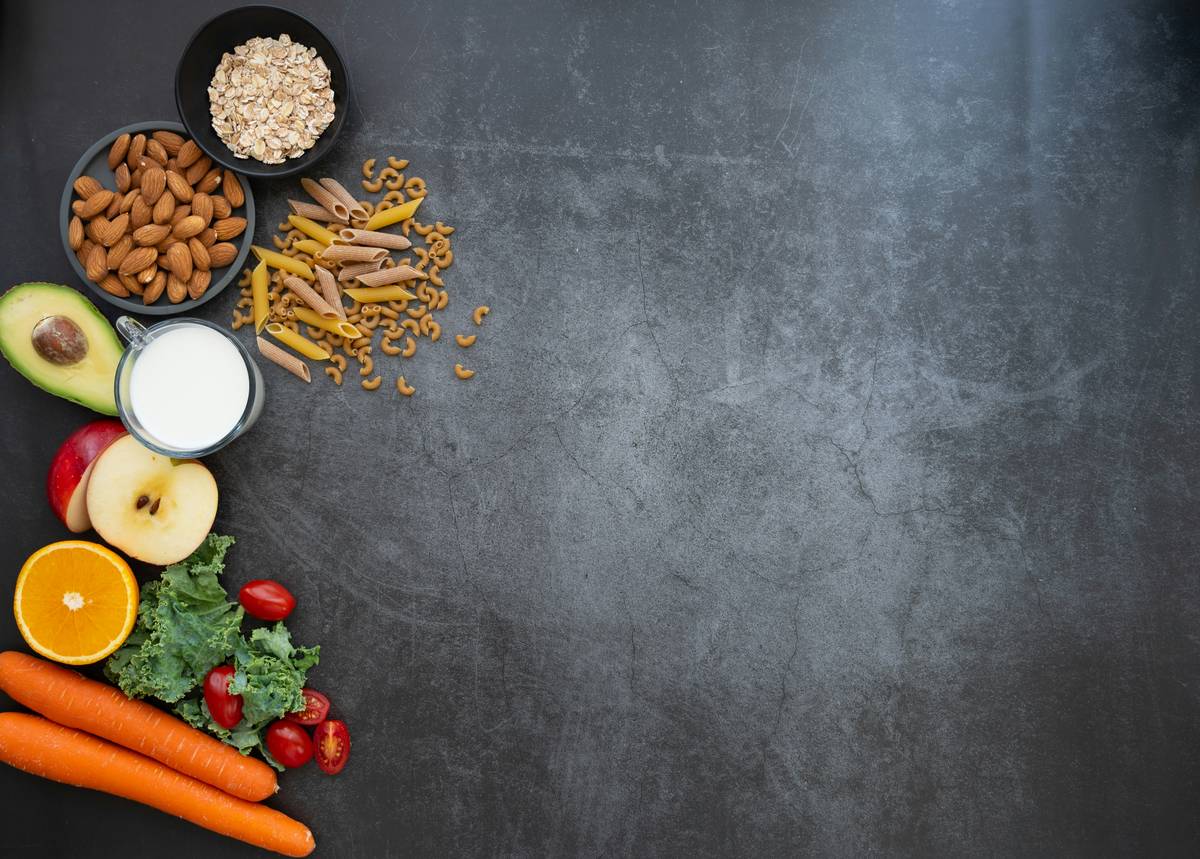
Your gut thrives on synergy. Every meal should ideally include:
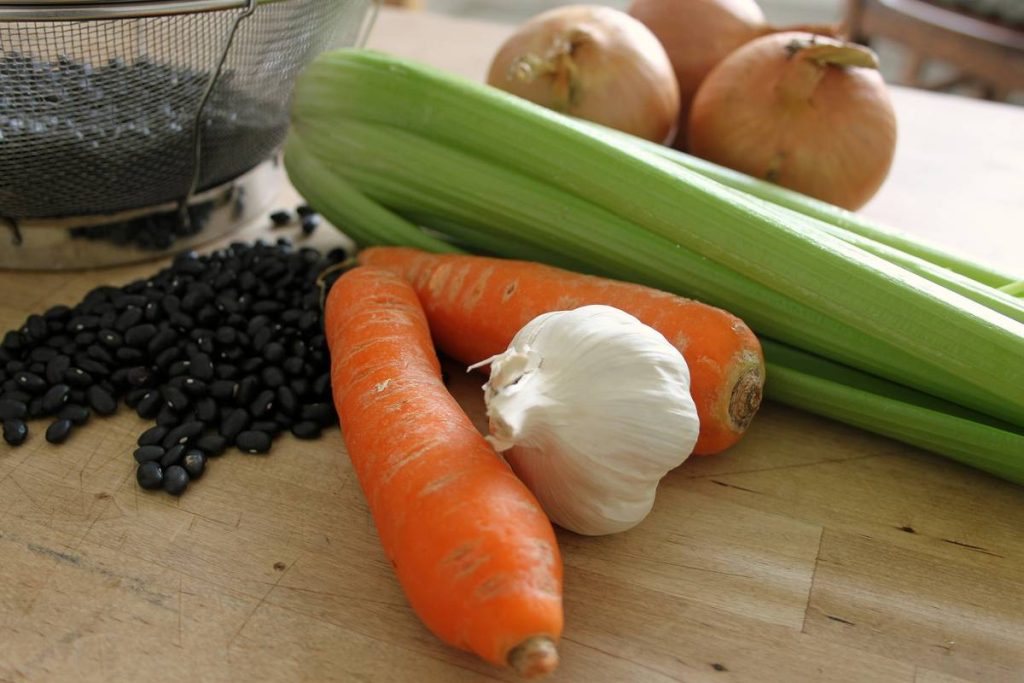
- Prebiotic fiber: Garlic, leeks, oats, flaxseeds (feeds good bacteria)
- Probiotic foods: Unsweetened yogurt, kefir, kimchi, miso (adds live microbes)
- Polyphenol power: Berries, green tea, dark cocoa, olives (reduces inflammation)
- Anti-inflammatory fats: Avocado, olive oil, walnuts, fatty fish (calms gut lining)
Step 3: Time It Right
Give your gut a break. Aim for a 10–12 hour eating window (e.g., 8 a.m.–6 p.m.). This aligns with your gut’s circadian rhythm, shown in a 2022 Cell study to boost microbial repair overnight.
Step 4: Prep Smart, Not Hard
Grumpy You: “I don’t have time to ferment cabbage!”
Optimist You: “But you do have 10 minutes to toss chopped garlic into roasted veggies—and that’s prebiotic gold.” Batch-cook grains, roast trays of mixed roots, keep jars of sauerkraut handy. Perfection isn’t required. Consistency is.
5 Non-Negotiable Tips for Long-Term Microbiome Success
- Ditch the “one-size-fits-all” plan. Your microbiome is as unique as your fingerprint. What works for your yoga-instructor friend might wreck your gut. Get tested if symptoms persist (GI-MAP or similar).
- Rotate your plants weekly. Don’t just eat broccoli every day. Try jicama, artichokes, dandelion greens—novel fibers feed different bacterial strains.
- Hydrate with purpose. Water + electrolytes support mucosal lining. Add a pinch of sea salt and lemon to your morning glass.
- Don’t fear resistant starch. Cooked-and-cooled potatoes, rice, and bananas feed butyrate-producers—the VIPs of gut healing.
- Skip the “gut detox” teas. Laxative herbs like senna damage your gut lining long-term. Real healing takes weeks, not 3-day cleanses.
⚠️ Terrible Tip Alert!
“Just go keto for gut health!” Nope. Ultra-low-fiber diets starve beneficial bacteria. A 2021 study in Gut found ketogenic diets reduced microbial diversity by up to 37% in 4 weeks. Unless medically indicated (e.g., epilepsy), it’s a microbiome dead end.
Rant Section: My Pet Peeve?
When influencers call plain white rice “toxic for your gut.” Seriously? For someone recovering from SIBO or active colitis, easily digestible carbs are therapeutic. Food morality has no place in gut healing. Context is everything.
Real Results: How Maria Cleared Brain Fog in 6 Weeks
Maria, 42, came to me exhausted, bloated after every meal, and struggling with afternoon brain fog. She’d tried elimination diets, probiotic supplements, even bone broth daily—nothing stuck.
We built a simple gut health meal plan focused on diversity and routine:
- Breakfast: Overnight oats with chia, blueberries, flax, and a spoon of plain kefir
- Lunch: Big grain bowl with quinoa, roasted beets, kale, walnuts, olive oil, and 2 tbsp kimchi
- Dinner: Baked salmon, garlic-sautéed spinach, and cooled sweet potato wedges
- Snack: Apple with almond butter (polyphenols + healthy fat)
Result? By week 6, her bloating dropped 80%, energy stabilized, and her follow-up stool test showed a 28% increase in Faecalibacterium prausnitzii—a key anti-inflammatory bacterium. No fancy powders. Just real food, strategically combined.
Gut Health Meal Plan FAQs
Can I drink coffee on a gut health meal plan?
Yes—if you tolerate it. Coffee actually contains polyphenols that feed good bacteria! But avoid drinking it on an empty stomach if you have acid reflux or IBS. Pair it with a bite of food.
Do I need probiotic supplements?
Not necessarily. Food-first is best. But if you’ve taken antibiotics recently or have confirmed dysbiosis, a high-quality multi-strain probiotic (like Visbiome or Seed) can help—under guidance.
What about gluten? Should I cut it out?
Only if you have celiac disease or non-celiac gluten sensitivity (confirmed via testing). Whole grains like oats, barley, and rye are rich in prebiotic beta-glucans. Don’t demonize them without cause.
How fast will I see results?
Microbiome shifts begin in 24–72 hours—but symptom relief takes 2–8 weeks. Be patient. Track symptoms weekly, not daily.
Conclusion
A sustainable gut health meal plan isn’t about restriction—it’s about abundance. Load your plate with diverse plants, strategic fibers, and healing fats. Ditch the dogma, listen to your body, and remember: your gut bugs want variety, not virtue signaling.
Start small. Add one new plant food this week. Swap your afternoon cookie for a handful of raspberries and walnuts. That’s how real healing begins—not with perfection, but with consistent, joyful nourishment.
Like a Tamagotchi, your microbiome needs daily care—but way less beep-y.